

Welcome
International
Counterterrorism
Efforts
Welcome
International
Counterterrorism
Efforts
Photo credit: UN Photo/Mark Garten.
The number, range, and scope of intergovernmental entities and initiatives with a counterterrorism component have grown significantly in recent years. Today, a web of counterterrorism laws, policies, and enforcement approaches is developed and overseen by over 70 international institutions, bodies, and networks around the world. These efforts focus on everything from promulgating international legal rules to developing global policy standards, from drafting model criminal laws to promoting intelligence- and information-sharing. To date, the full scope of these efforts has not, to our knowledge, been captured in one place.
We set out to identify and summarize these efforts in a single online resource.
Read more about the background of this project here.
Index
Index
Photo credit: The U.S. Army, “080306-F-1644L-028,” CC BY 2.0.
Index of International Counterterrorism Efforts
We broke down the initiatives and entities into multi-regional efforts (divided into U.N. and non-U.N. initiatives) and regional efforts (divided into Africa, Americas, Asia and Pacific, and Europe regions).
Multi-regional Efforts
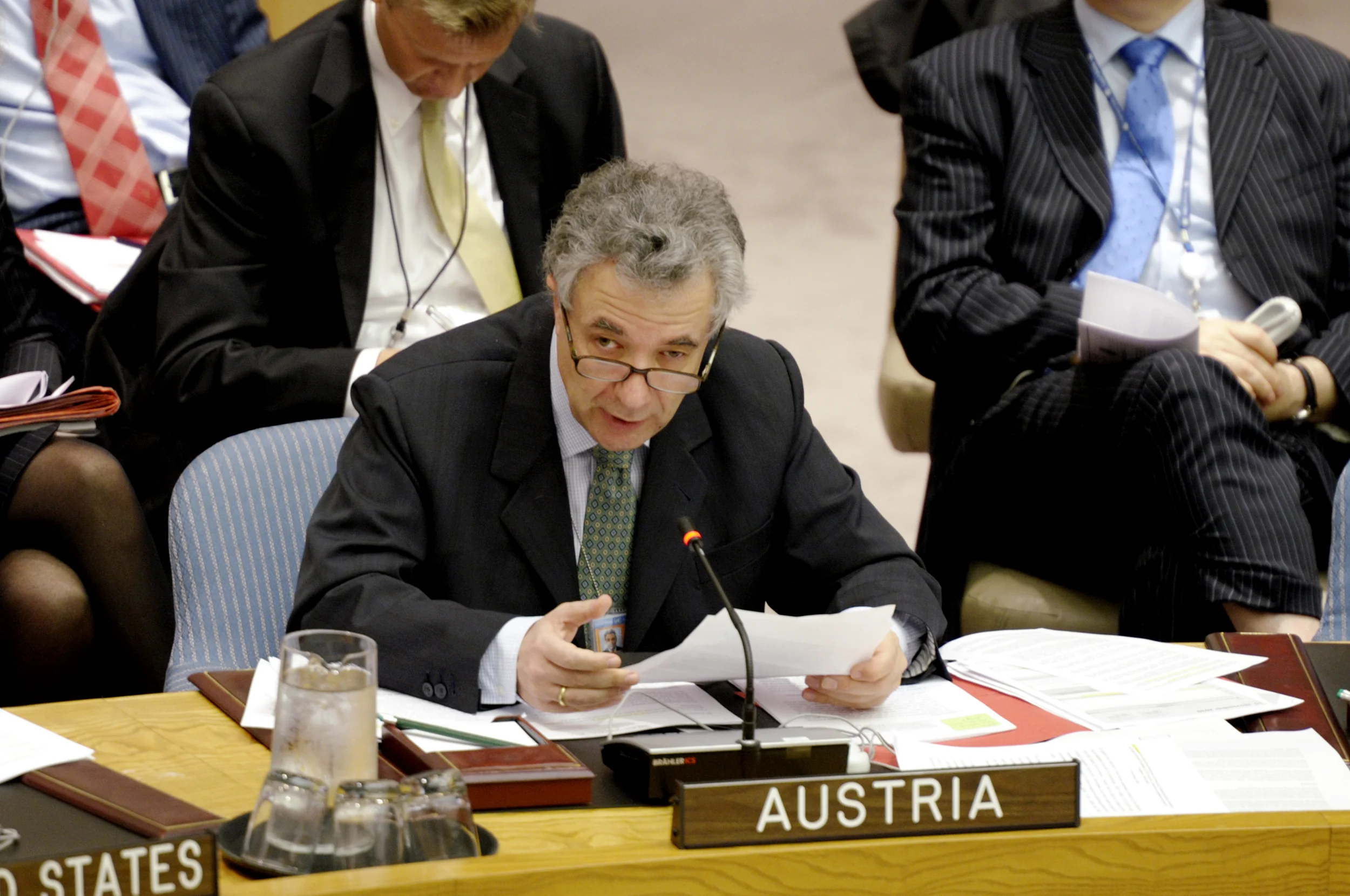
As authorized in SC Resolution 1267 (1999) and subsequent resolutions, this committee oversees and maintains the al-Qaeda sanctions list regime, which all UN Member States must carry out. Photo credit: UN Photo/Eskinder Debebe.
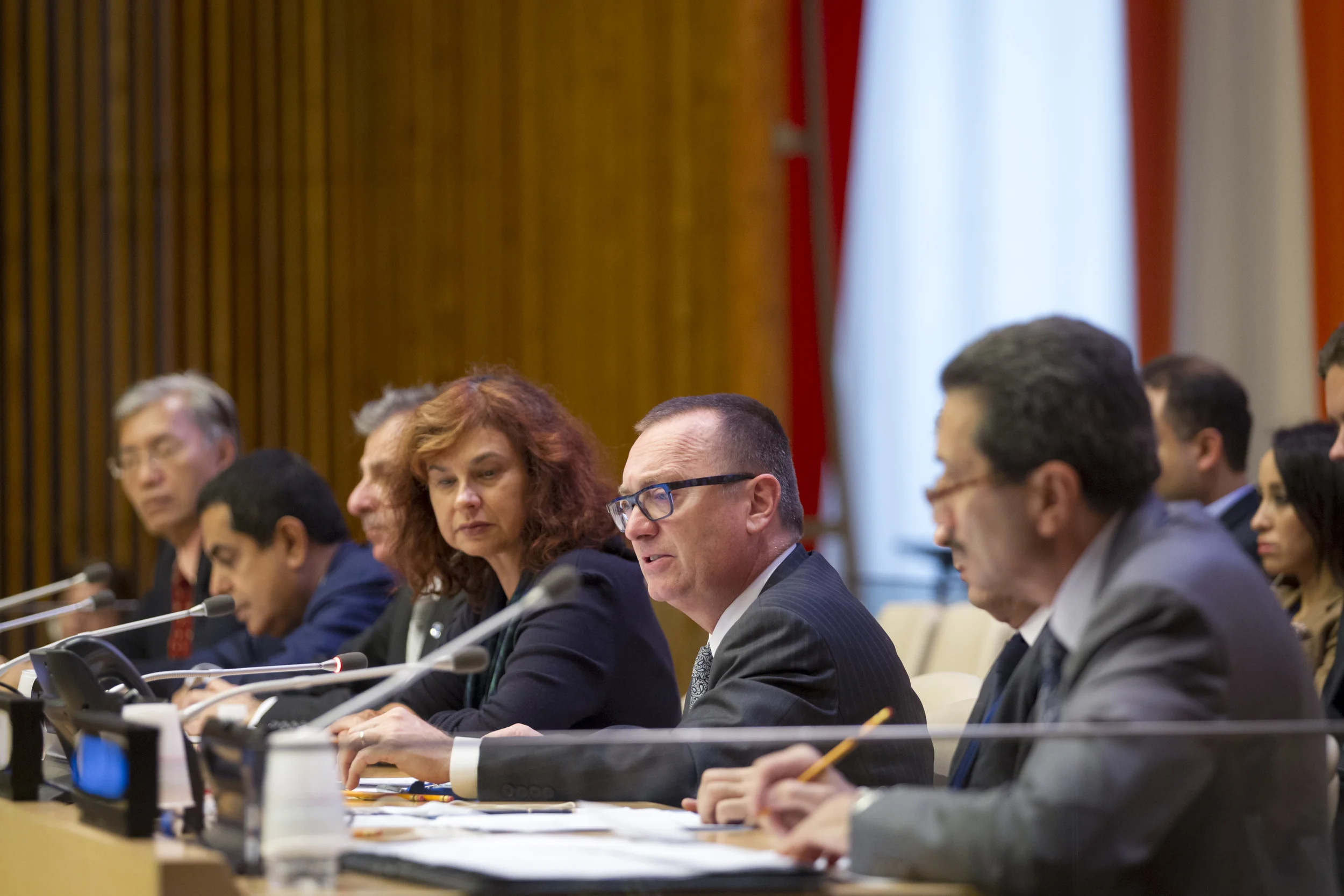
Established under resolution 1373, the Counter-Terrorism Committee (CTC) oversees the implementation of the resolution by states; the Counter-Terrorism Committee Executive Directorate (CTED) carries out the policy decisions of the CTC and conducts assessments of and facilitates technical assistance to states. Photo credit: UN Photo/Rick Bajornas.
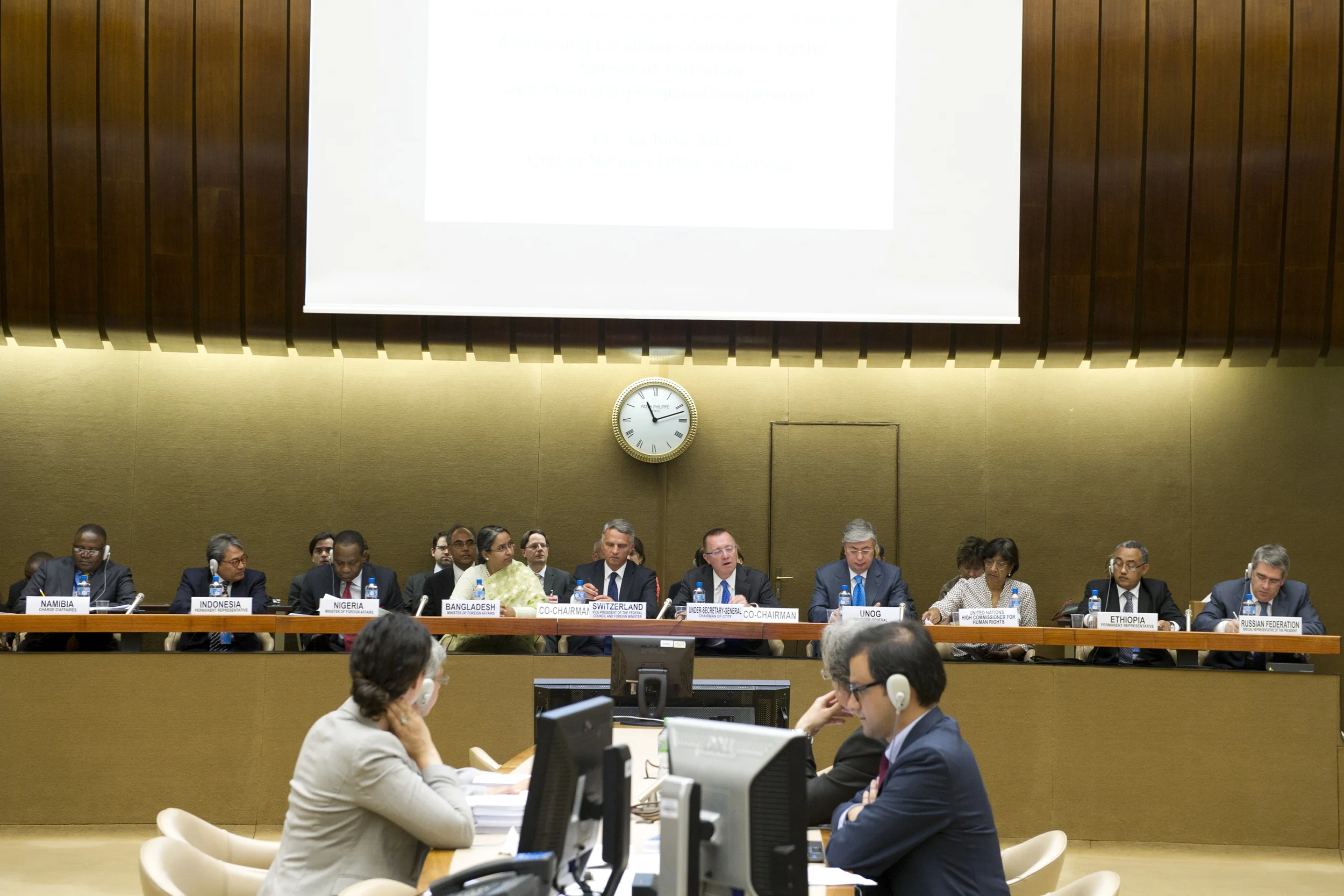
Created by the Secretary General in 2005, the Counter-Terrorism Implementation Task Force provides member states with policy support, promotes the UN Global Counter-Terrorism Strategy and its goals, and can expedite the delivery of technical assistance. Photo credit: UN Photo/Violaine Martin.
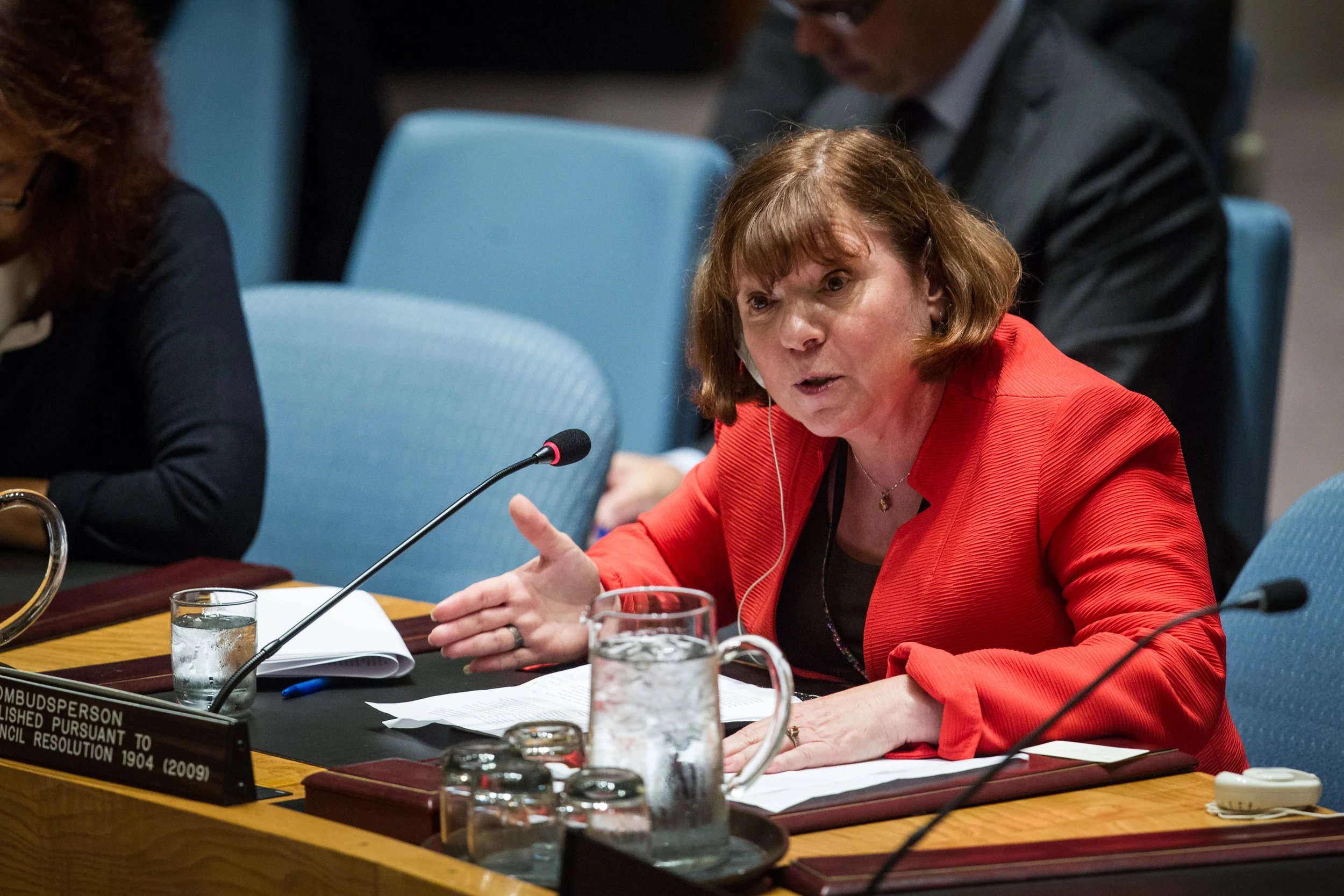
The Office of the Ombudsperson gathers information, interacts with petitioners seeking to be de-listed from the Security Council’s Al-Qaida Sanctions Committee List, and submits reports to the Sanctions Committee with a recommendation on the de-listing request. Photo credit: UN Photo/Loey Felipe.
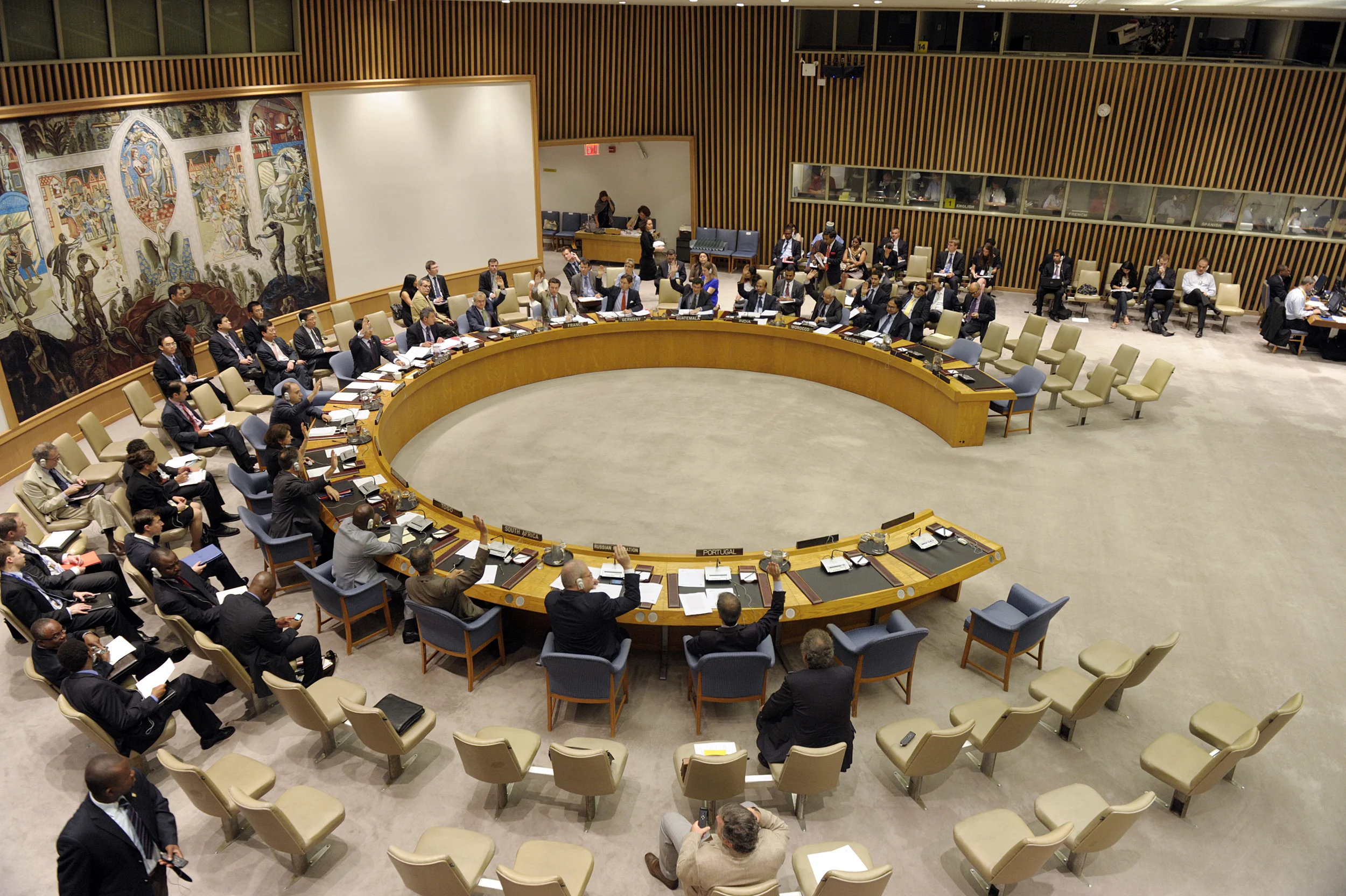
The 1540 Committee oversees implementation of Security Council Resolution 1540 (2004), which requires member states to take measures to prevent non-state actors from acquiring or using nuclear, chemical, or biological weapons. Photo credit:
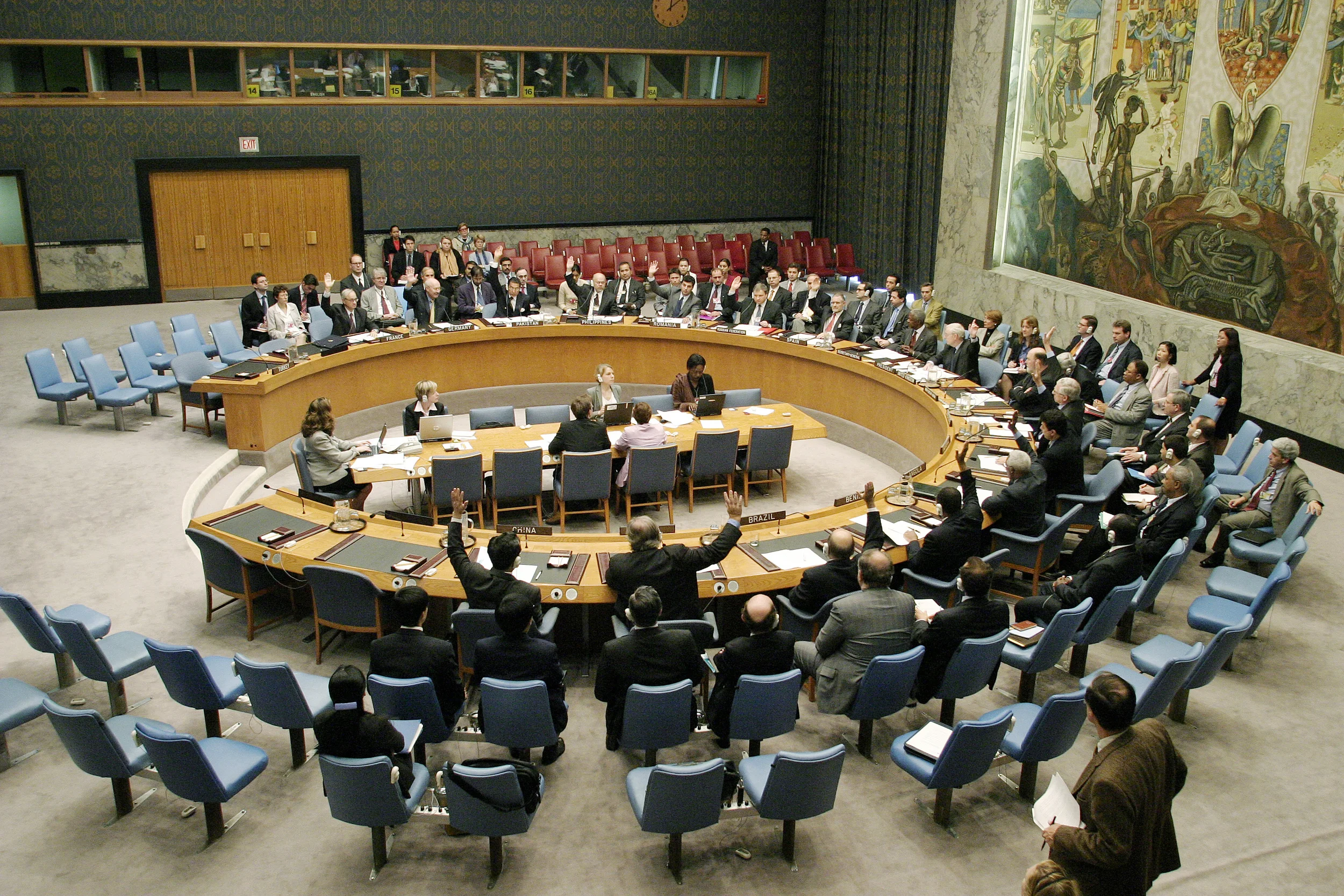
Security Council Resolution 1566 (2004) established the 1566 Working Group made up of all Council members to recommend practical measures against such individuals and groups, as well as to explore the possibility of setting up a compensation fund for victims of terrorism. Photo credit: UN Photo/Ky Chung.
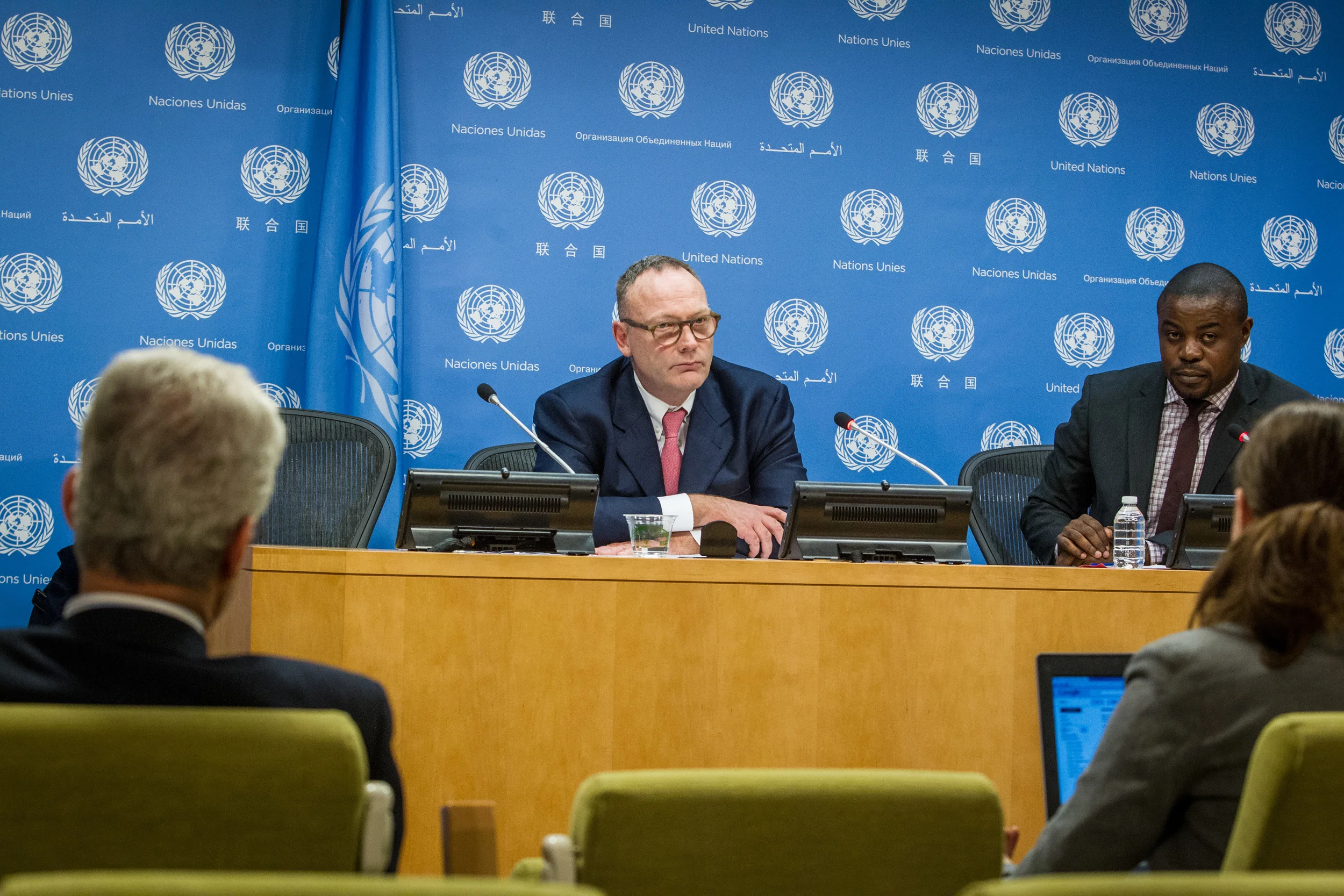
Initially appointed in 2005, the special rapporteur is mandated to make concrete recommendations, promote best practices, develop dialogue with States and UN bodies, and report to the Council and the General Assembly on matters within his purview. Photo credit: UN Photo/Loey Felipe.
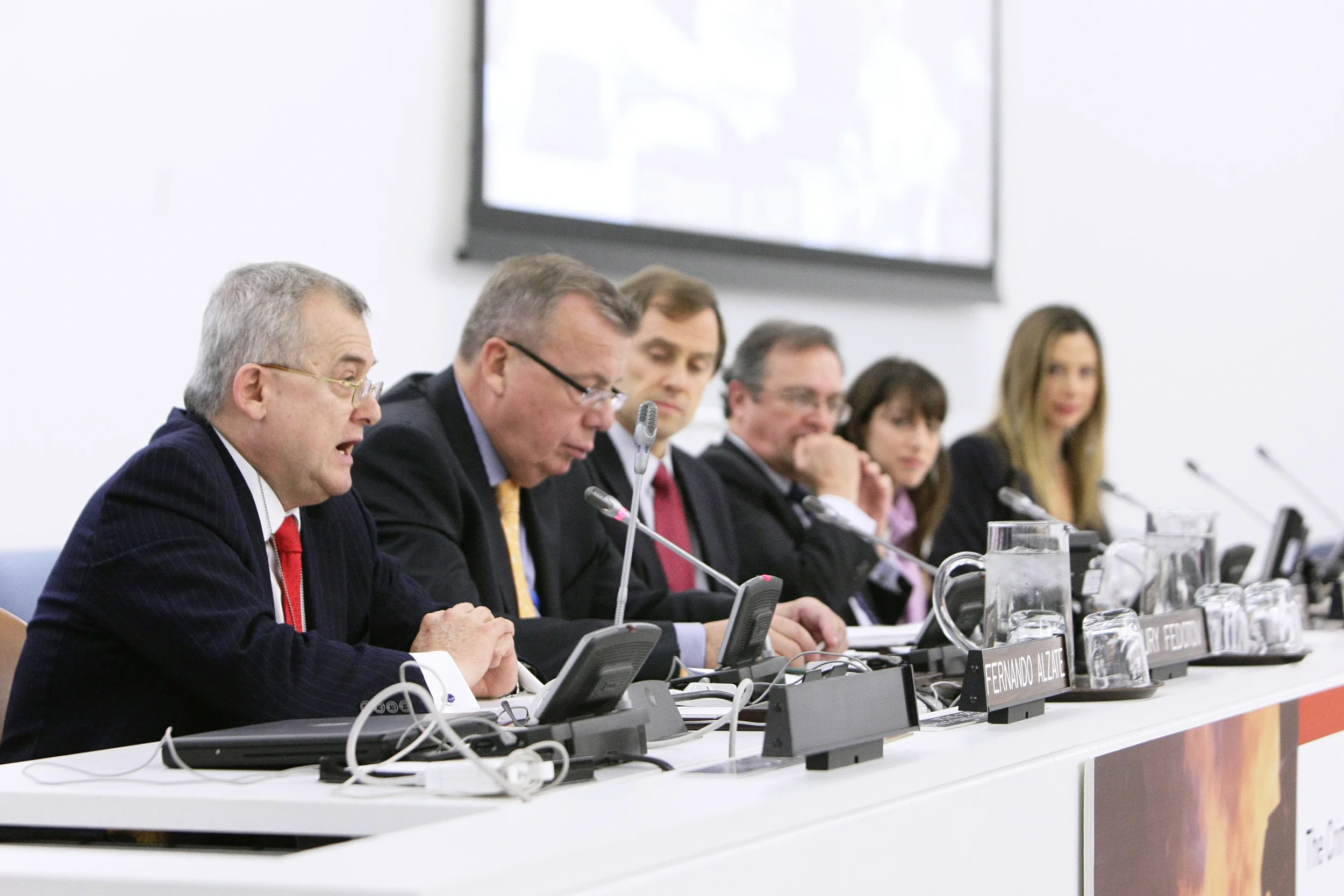
The UN Office on Drugs and Crime’s (UNODC) Terrorism Prevention Branch assists member states with ratifying, incorporating, and implementing international counterterrorism law into their domestic legal systems. Photo credit: UN Photo/JC McIlwaine.
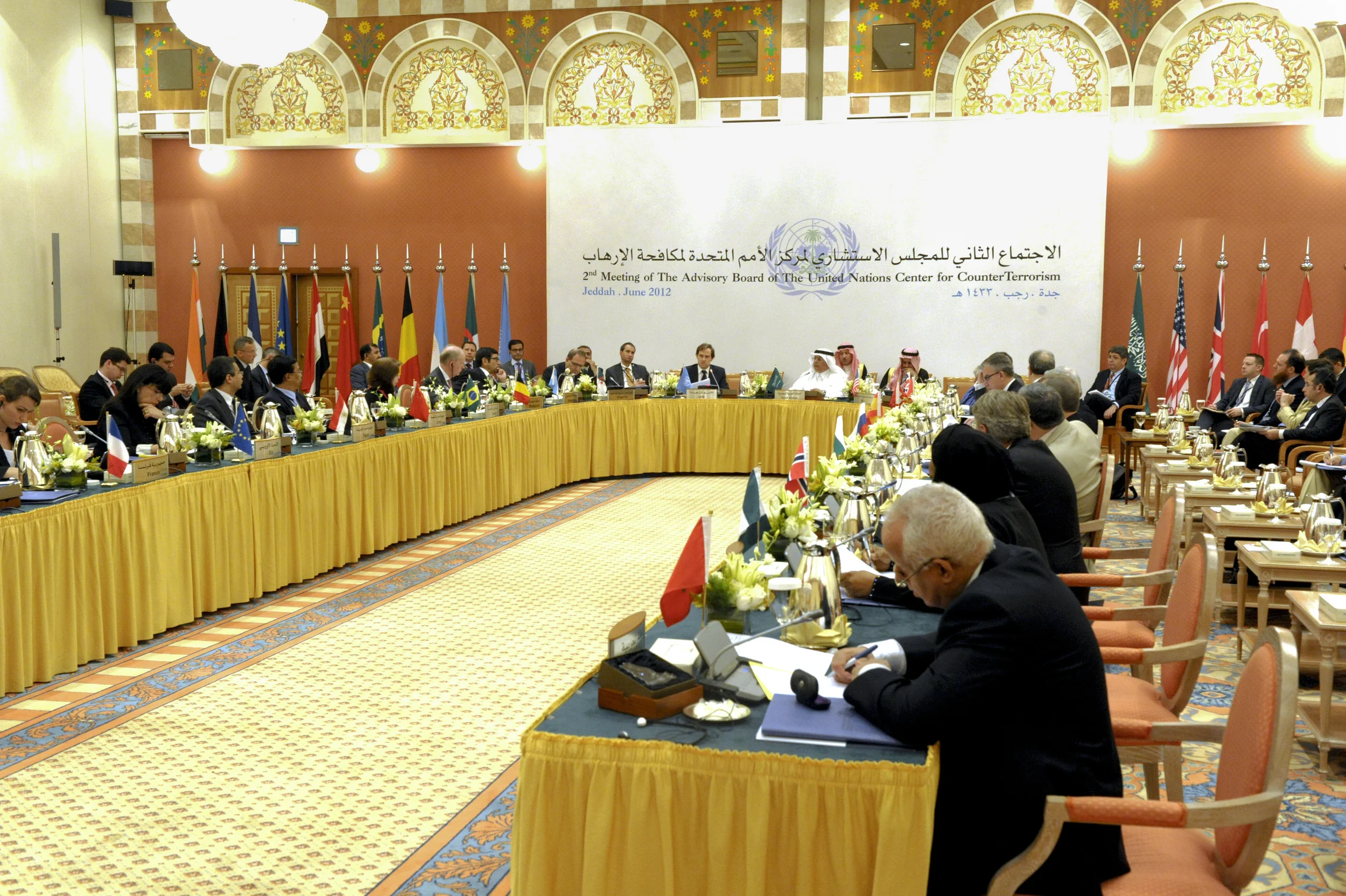
Operating under the Secretary-General and the umbrella of the Department of Political Affairs, the U.N. Center for Counter-Terrorism contributes to the implementation of the Global Counter-Terrorism Strategy. Photo credit: UN Photo/Evan Schneider.
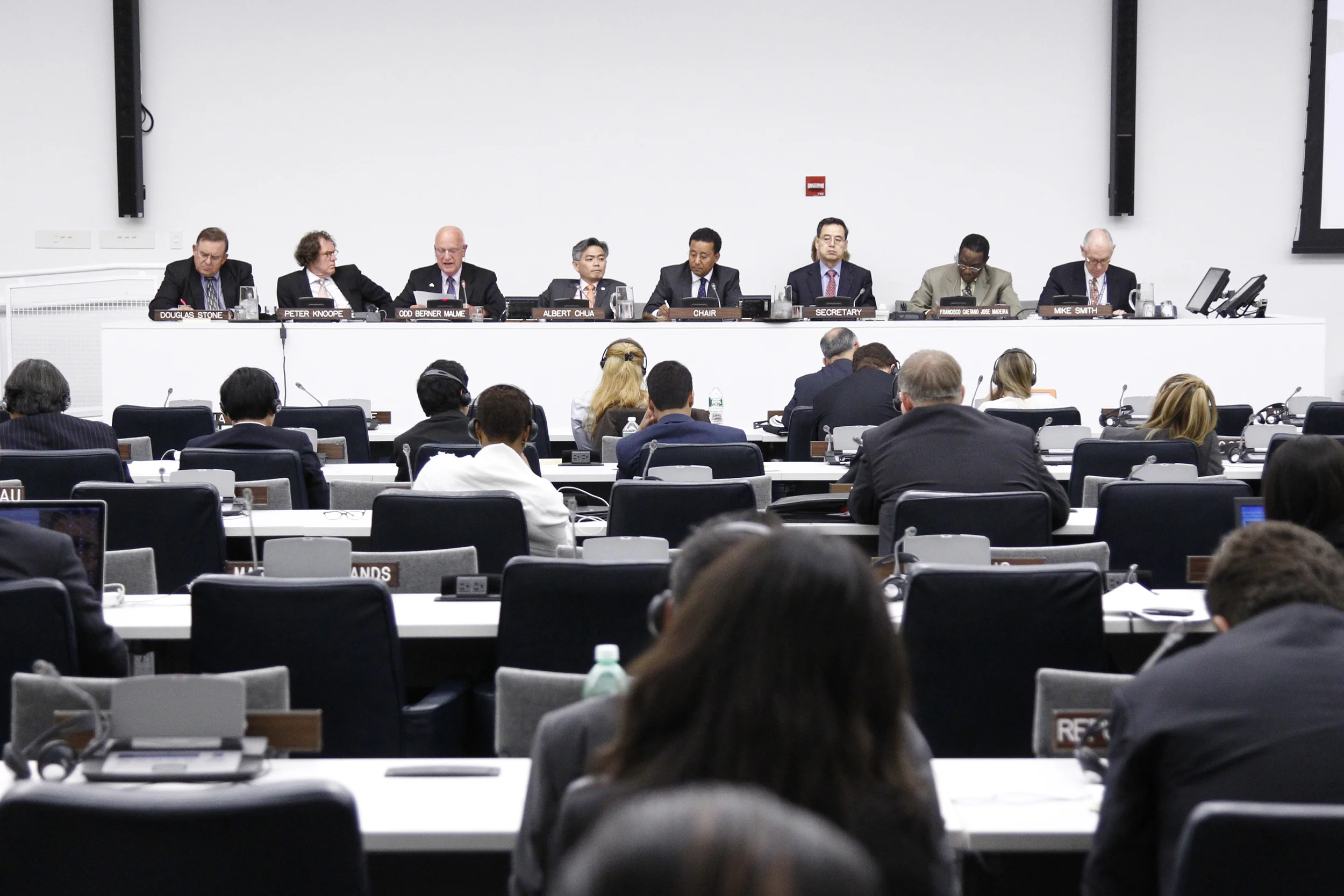
The UNICRI works with members states, intergovernmental organizations, and NGOs in the areas of crime prevention and criminal justice, and established the Center on Policies to Counter the Appeal of Terrorism. Photo credit: UN Photo/JC McIlwaine.
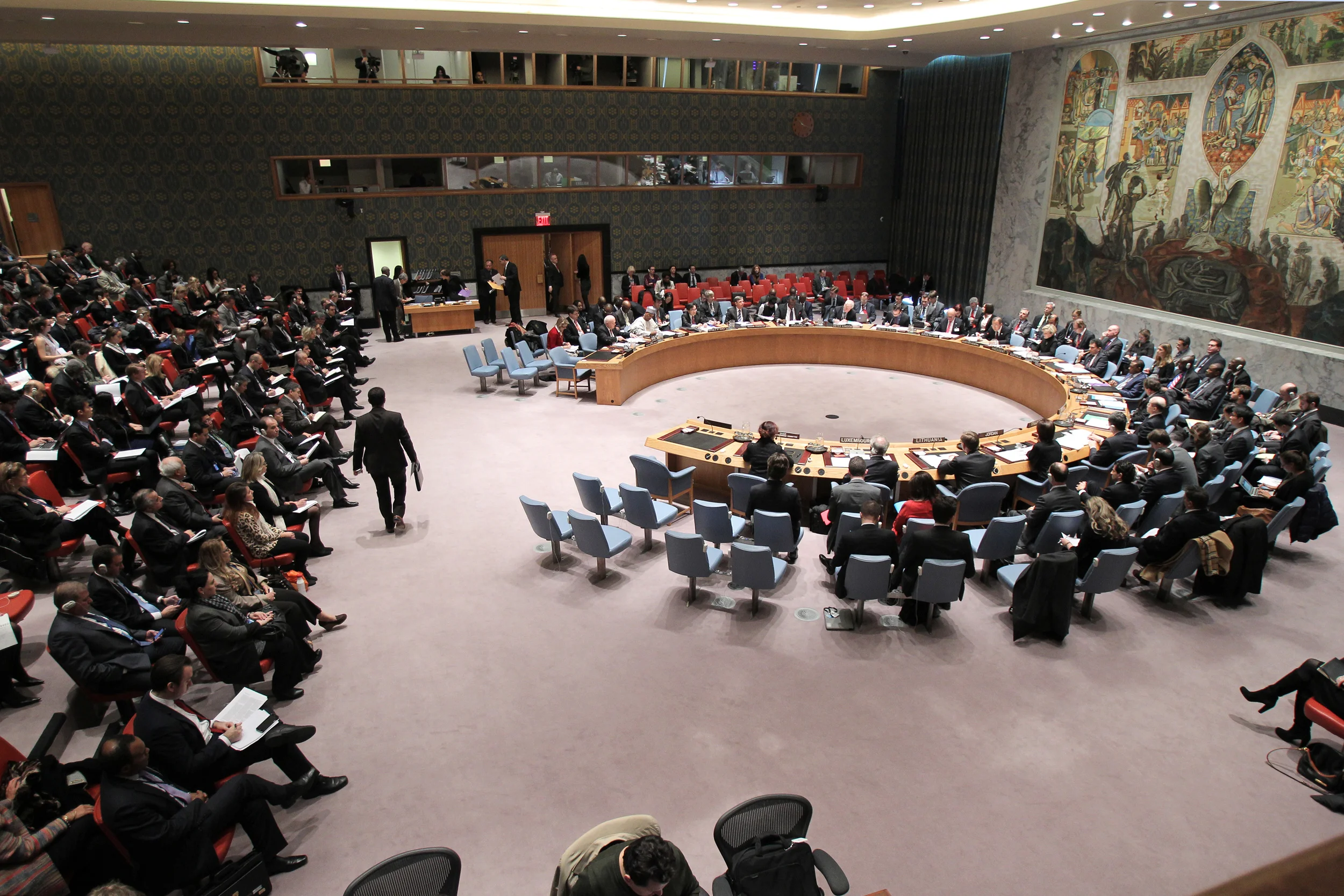
Charged with maintenance of peace and security, the Security Council is a principal organ of the UN and has established numerous anti-terrorism sanctions and other standards incumbent on member states. Photo credit: UN Photo/Devra Berkowitz.
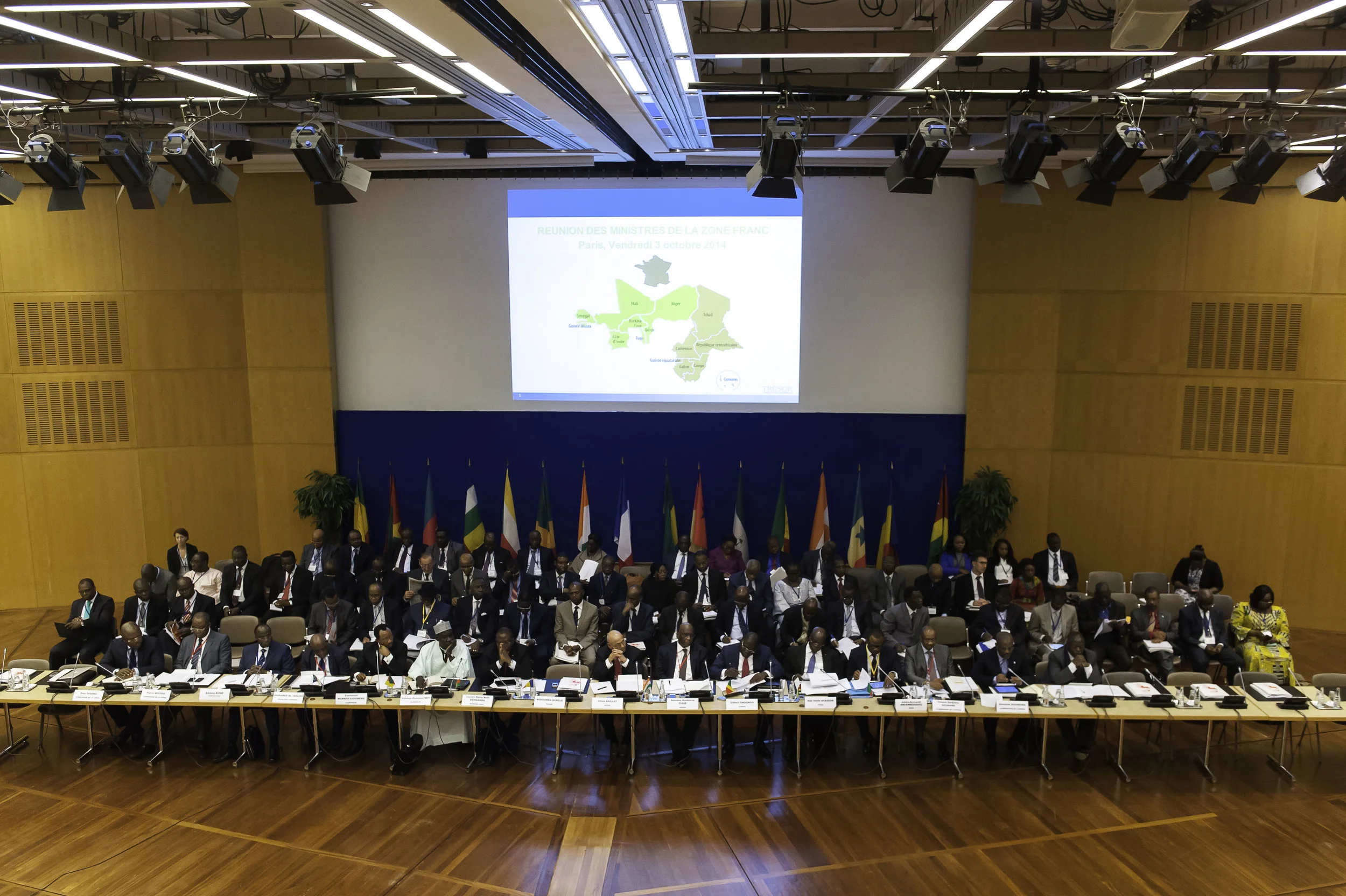
Established in 2000, the Anti-Money Laundering Liaison Committee of the Franc Zone (CLAB) promotes the adoption and effective implementation of anti-money laundering and combating the financing of terrorism (AML/CFT) regimes. Photo credit: DGTresor, “Réunion des ministres de la Zone franc – Paris, 3 octobre 2014,” CC BY-NC-SA 2.0.
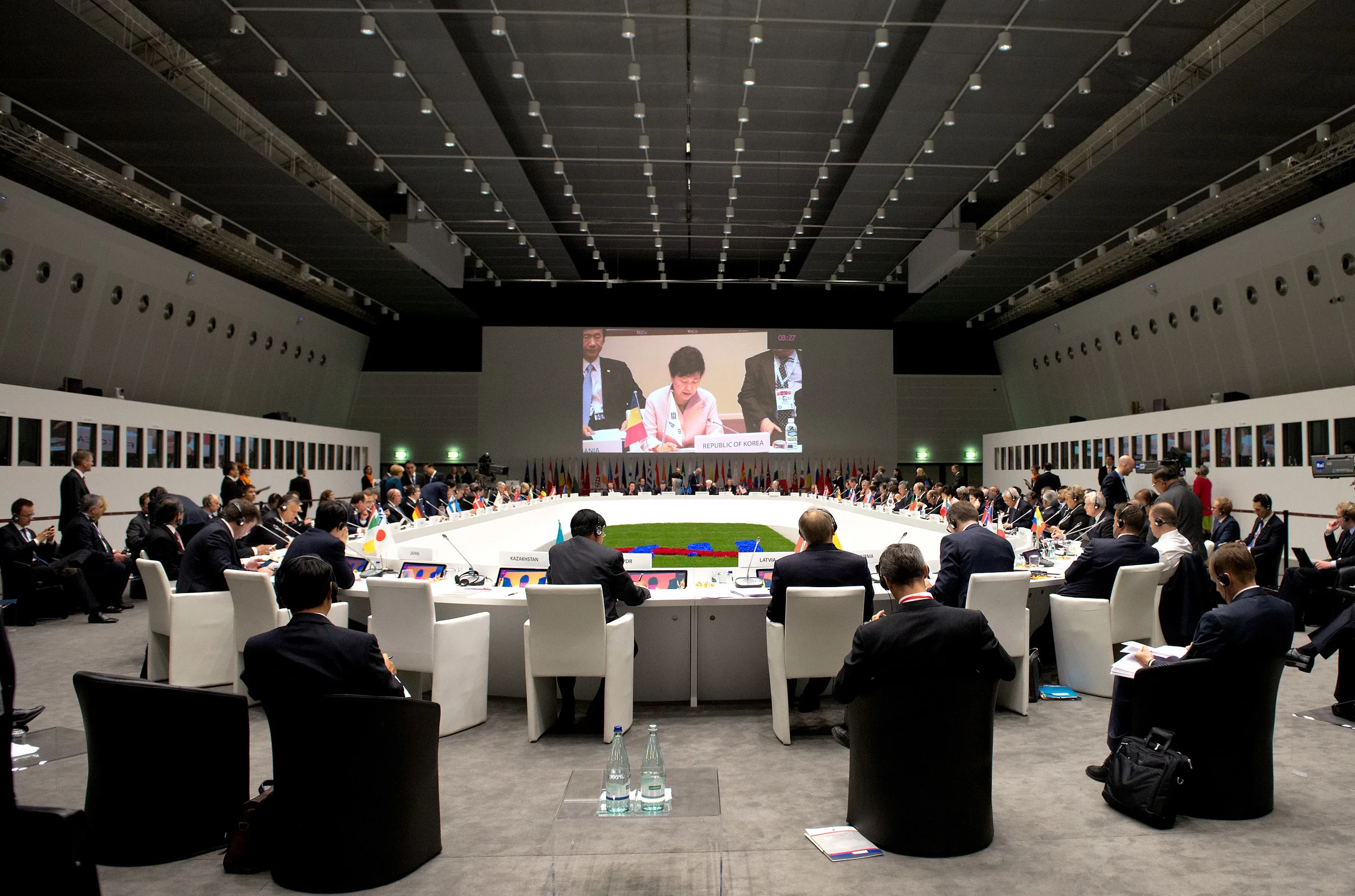
The Asia-Europe Meeting (ASEM) is an informal process of dialogue and cooperation; in 2001, ASEM formulated the Copenhagen Declaration on Cooperation against International Terrorism. Photo credit: Number 10, “Asia-Europe meeting,” CC BY-NC-ND 2.0.

The Asia-Pacific Economic Cooperation’s Counter-Terrorism Task Force operates to secure the region’s people and its economic, trade, investment, and financial systems from terrorist attack. Photo credit: Tatie Choukette, “APEC (Asia Pacific Economic Cooperation) Building,” CC BY-NC-SA 2.0.
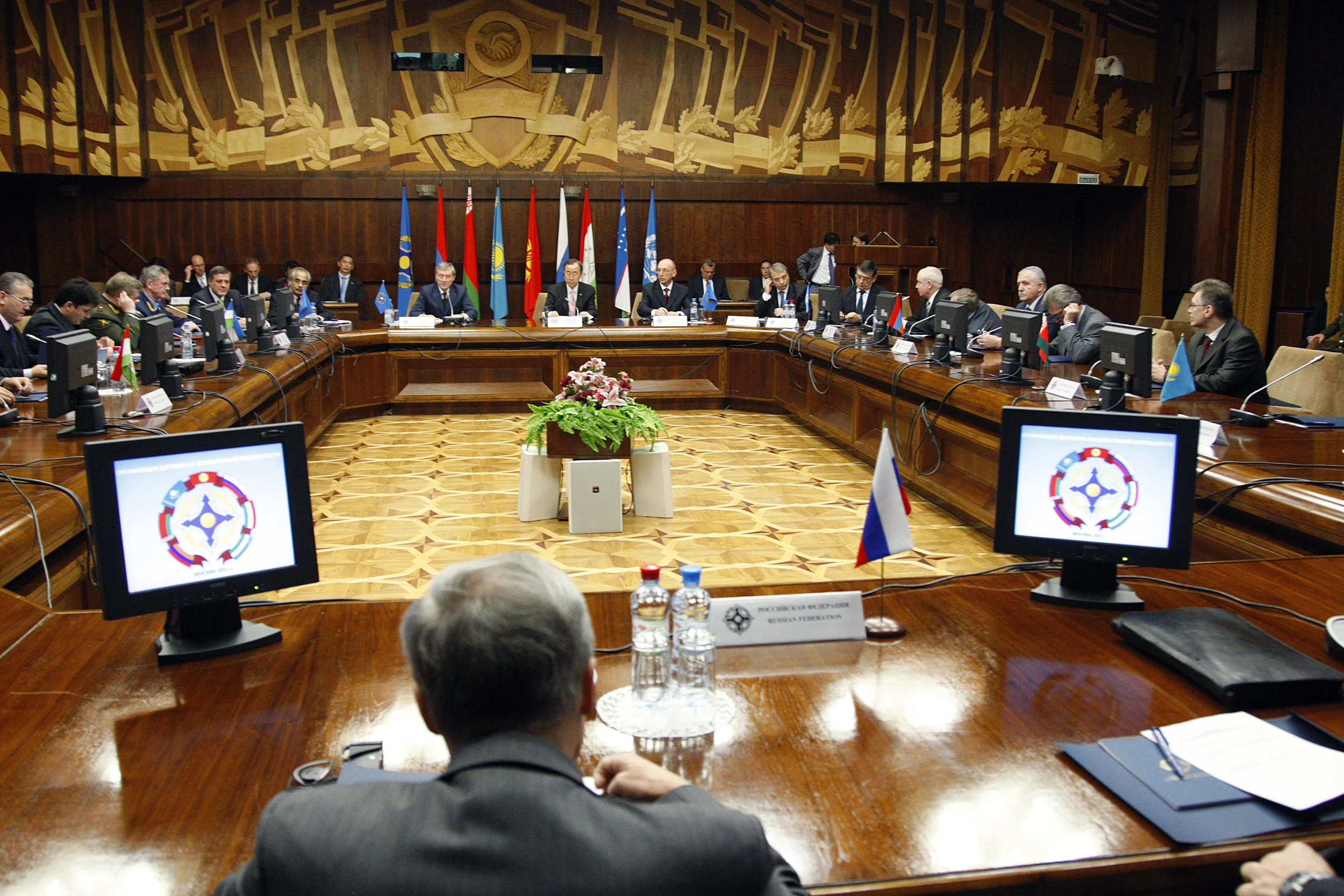
The Collective Security Treaty Organization (CSTO) is an intergovernmental military alliance and among its fundamental objectives is combating international terrorism. Photo credit: UN Photo/Paulo Filgueiras.
The Commonwealth Committee on Terrorism (CCT)—a sub-committee of the Commonwealth—focuses on the implementation of concrete counterterrorism plans of action within member nations. Photo credit: Steven Vacher, “Foreign & Commonwealth Office,” CC BY-NC-ND 2.0.
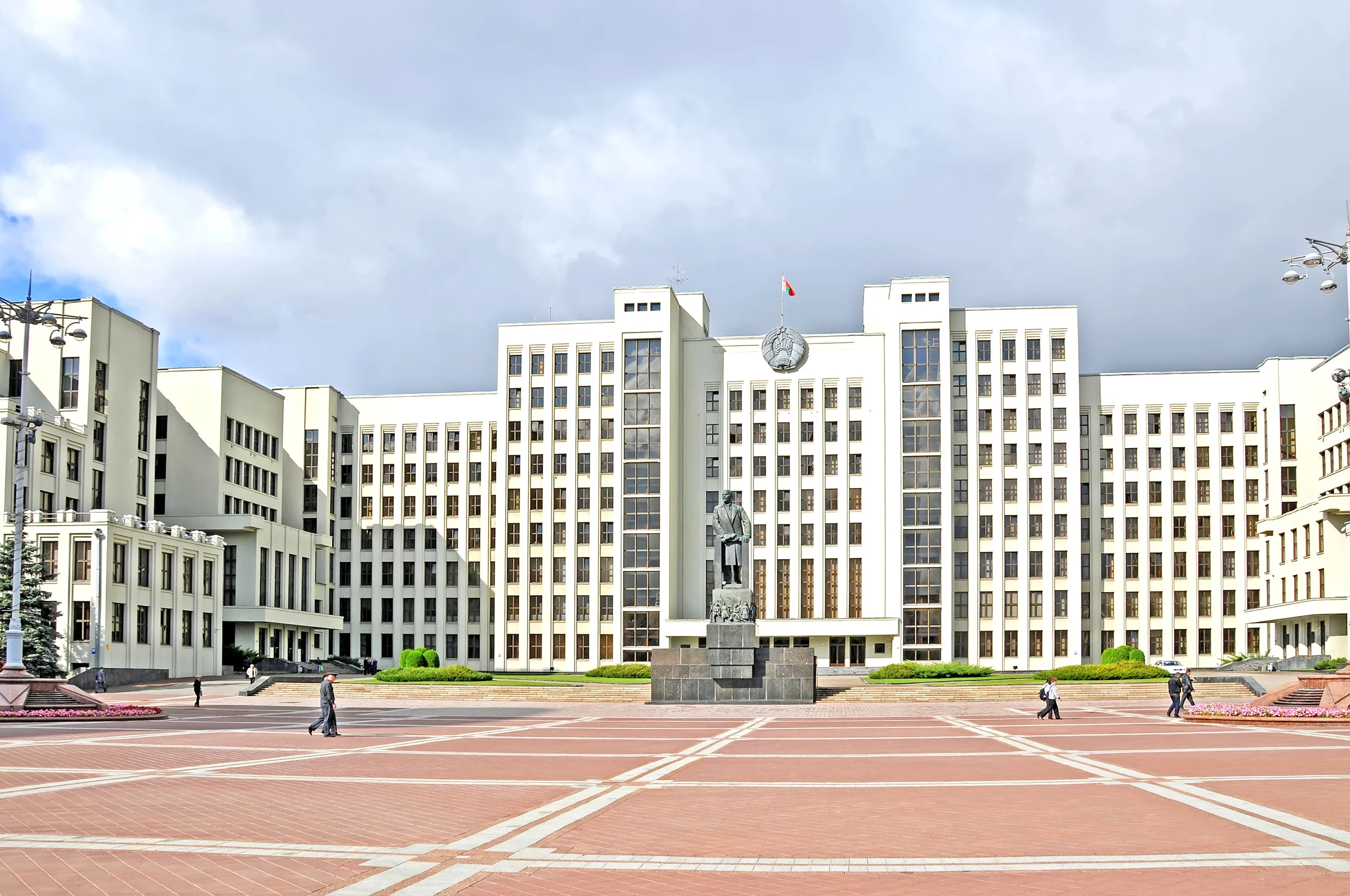
The CIS established its Anti-terrorism Centre (ACT), the main purpose of which is to help coordinate interaction among competent authorities of member states in the struggle against international terrorism and other forms of extremism. Photo credit: Dennis Jarvis, “Belarus_3898 - House of Government,” CC BY-SA 2.0.
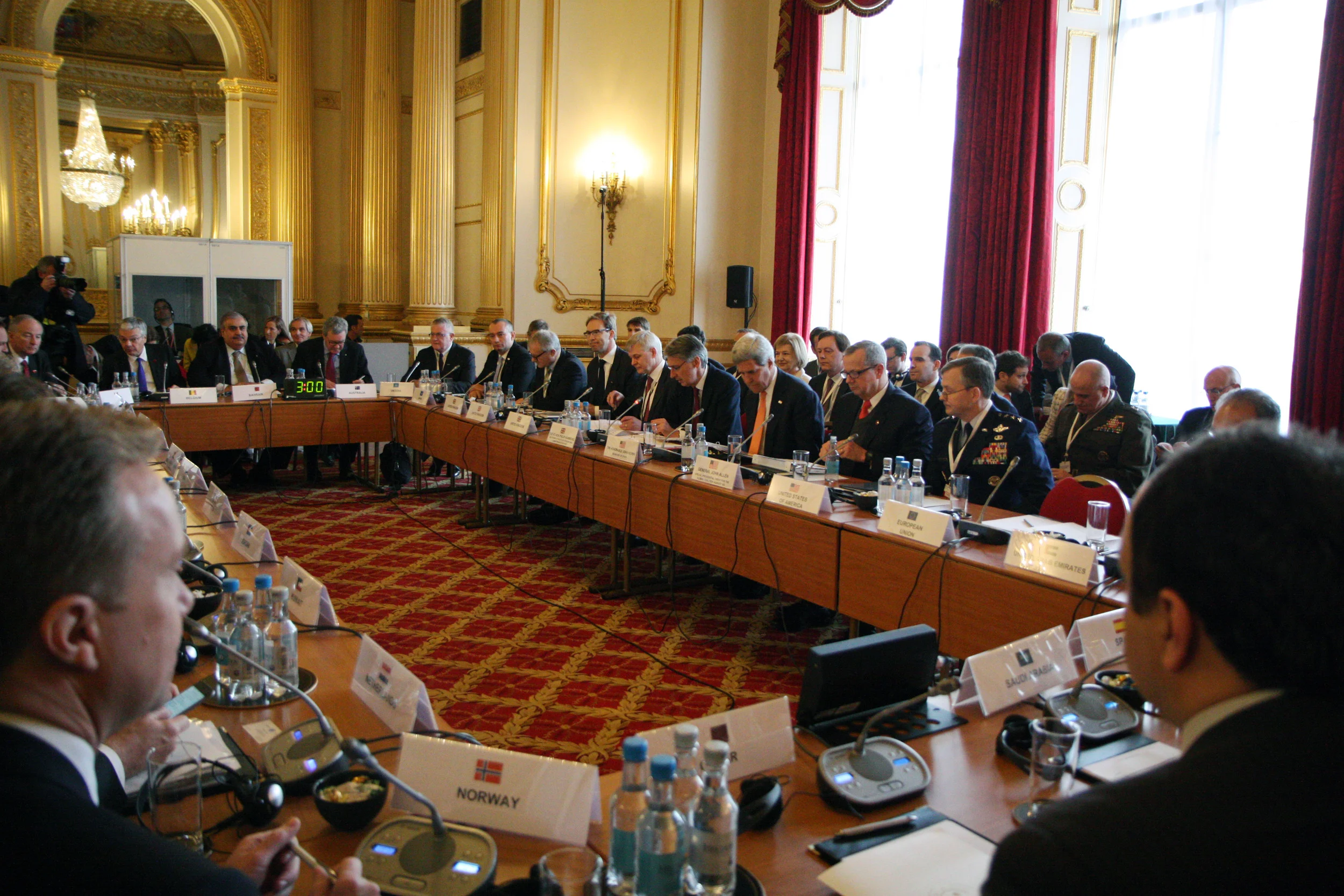
Co-led by Italy, Saudi Arabia, and the United States, the CIFG is part of the broader “Counter-ISIL Coalition effort to enhance coordination among international partners on key lines of effort to defeat ISIL.” Photo credit: Foreign and Commonwealth Office, “Counter-ISIL Coalition Small Group Meeting,” CC BY 2.0.
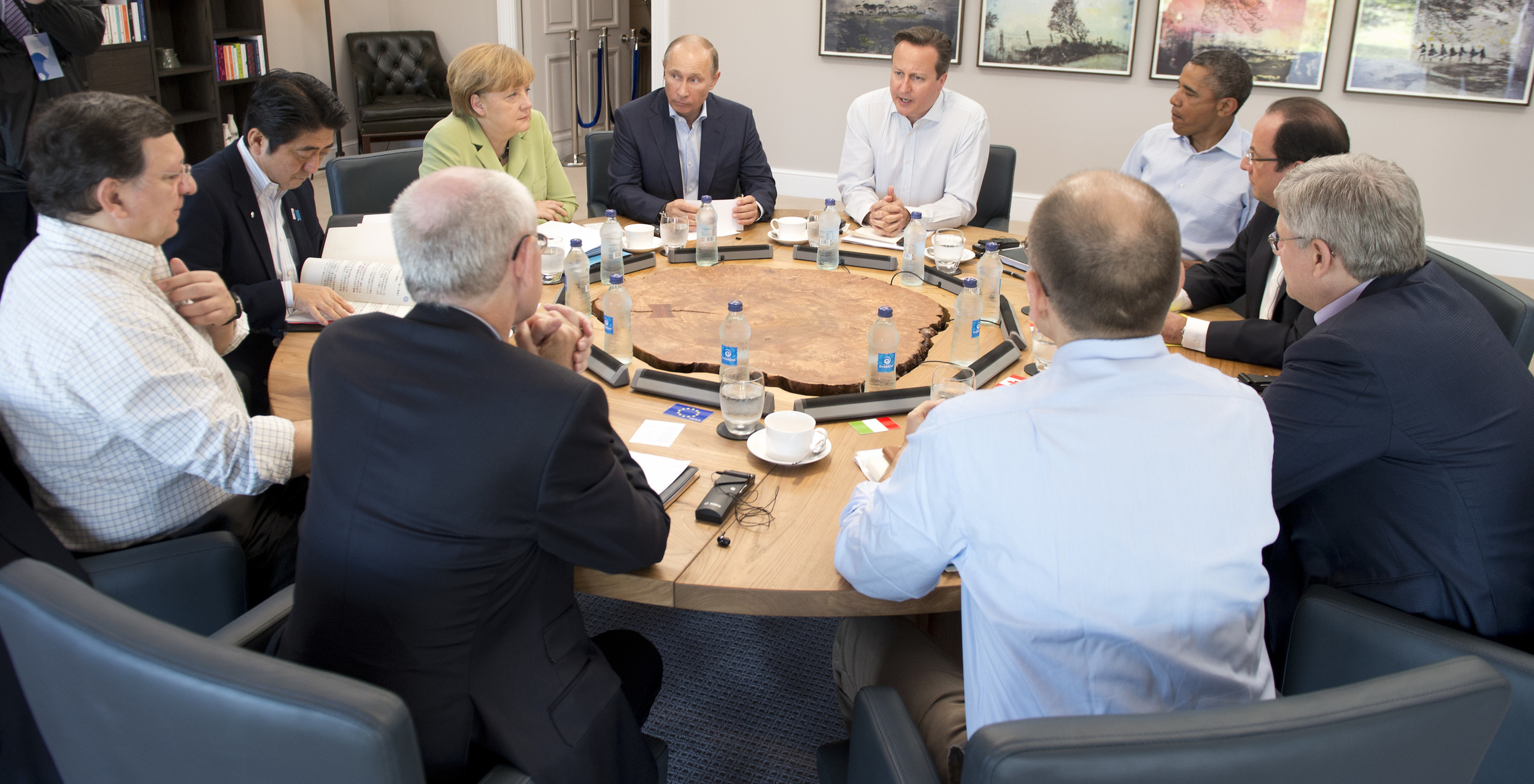
Established by the G8, the Counter-Terrorism Action Group (CTAG) functions to support the UN Security Council Counter-Terrorism Committee, primarily through coordination and outreach efforts. Photo credit: G8 UK, “G8 session on counter-terrorism,” CC BY-NC-ND 2.0.
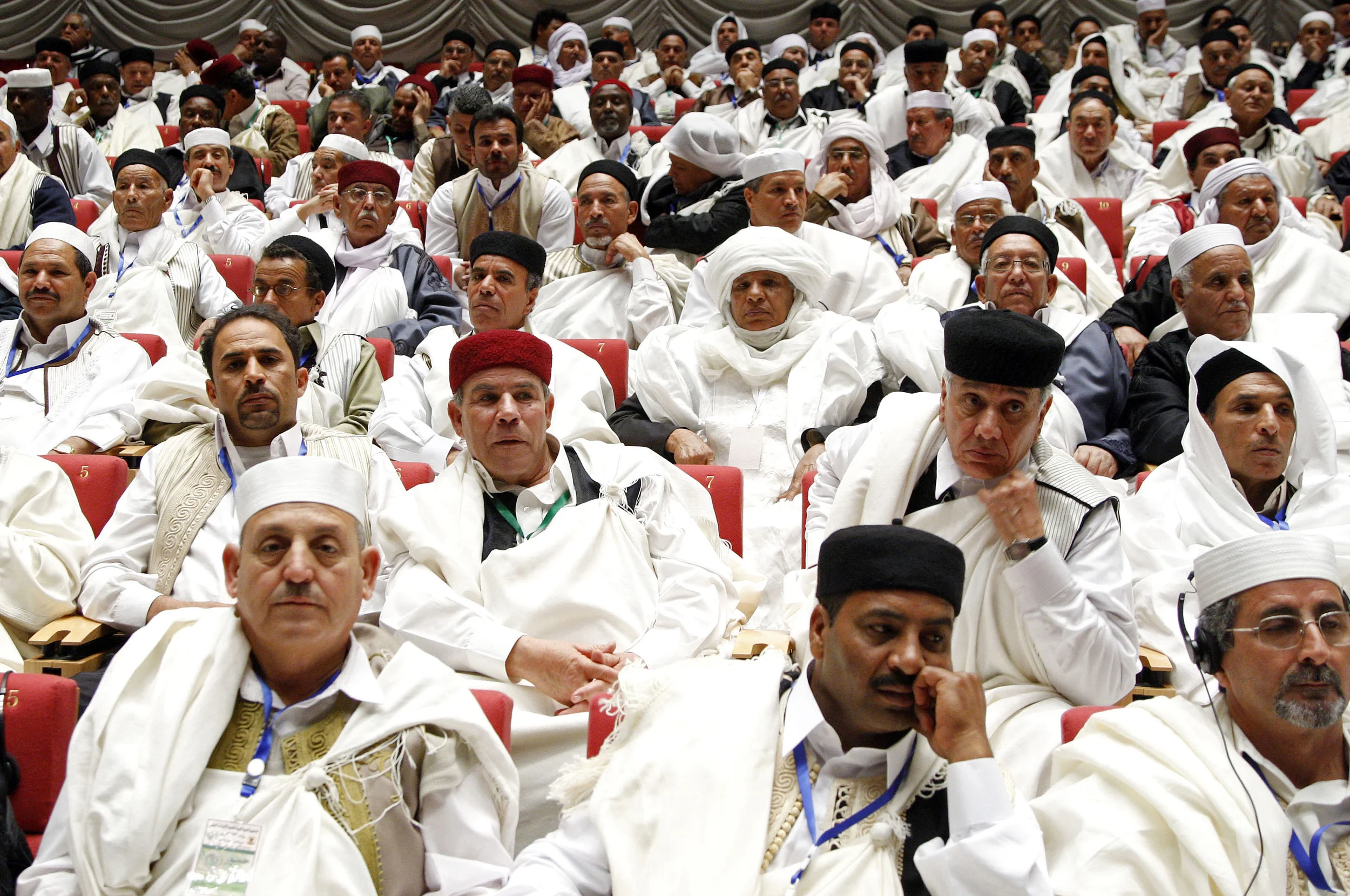
The Arab League Ministerial Council has resolved to fight against terrorism in the region, with respect for the security, economic, ideological, and social dimensions of the threats. Photo credit: UN Photo/Evan Schneider.
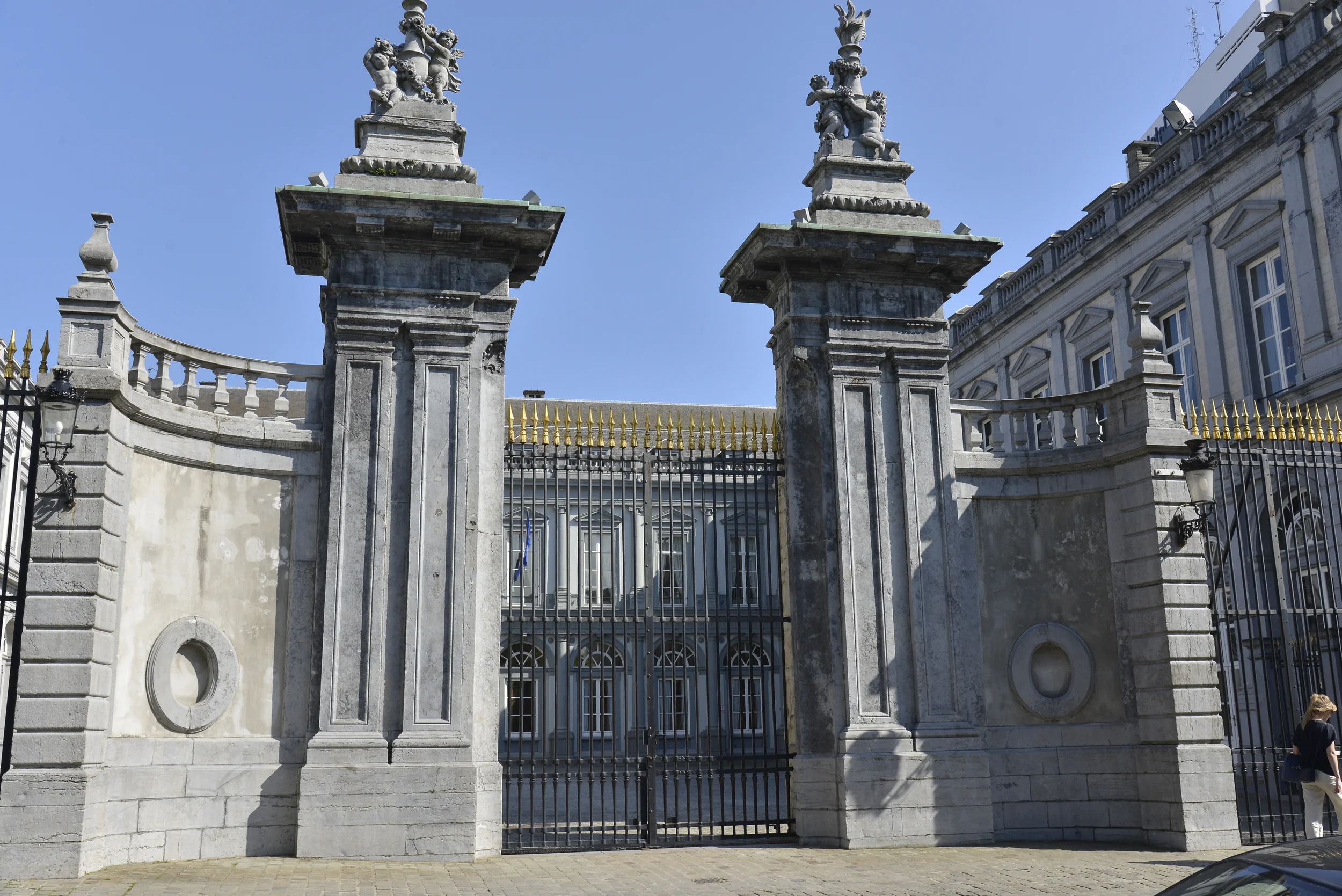
Egmont Group of Financial Intelligence Units (Egmont Group FIUs) endeavor to cooperate in the areas of information exchange, training, and the sharing of expertise to fight against money laundering and financing of terrorism. Photo credit: Stephane Mignon, “L'entrée du Palais d'Egmont,” CC BY 2.0.

Established in 2004, the Eurasian Group on Combating Money Laundering and Terrorist Financing is an FATF-style regional body (FSRB) for the countries of the Eurasian region. Photo credit: Alexey Kljatov, “Emerald city,” CC BY-NC 2.0
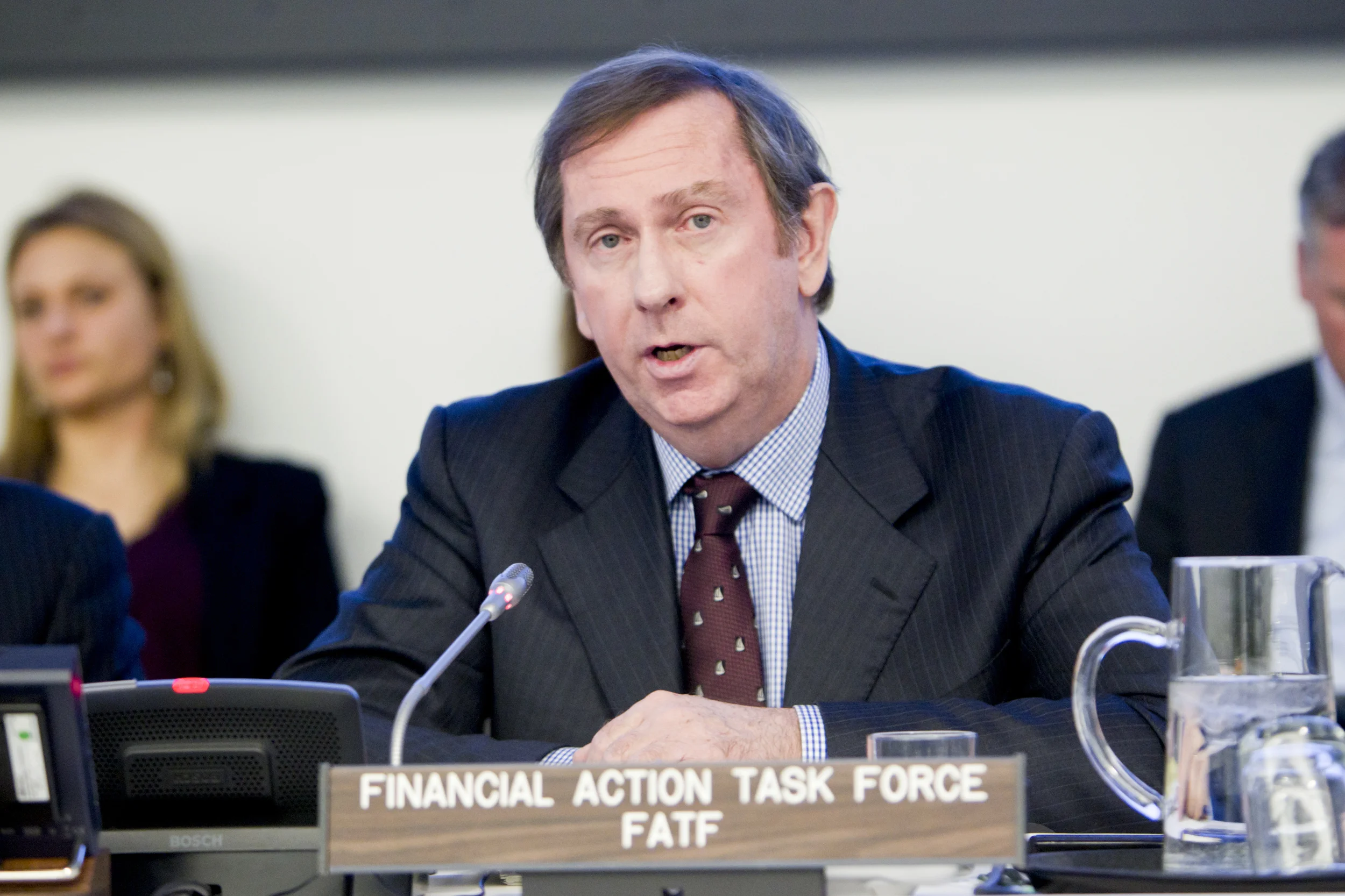
The FATF sets standards and aims to promote effective implementation of measures for combating terrorist financing and other related threats to the integrity of the international financial system. Photo credit: UN Photo/Rick Bajornas.
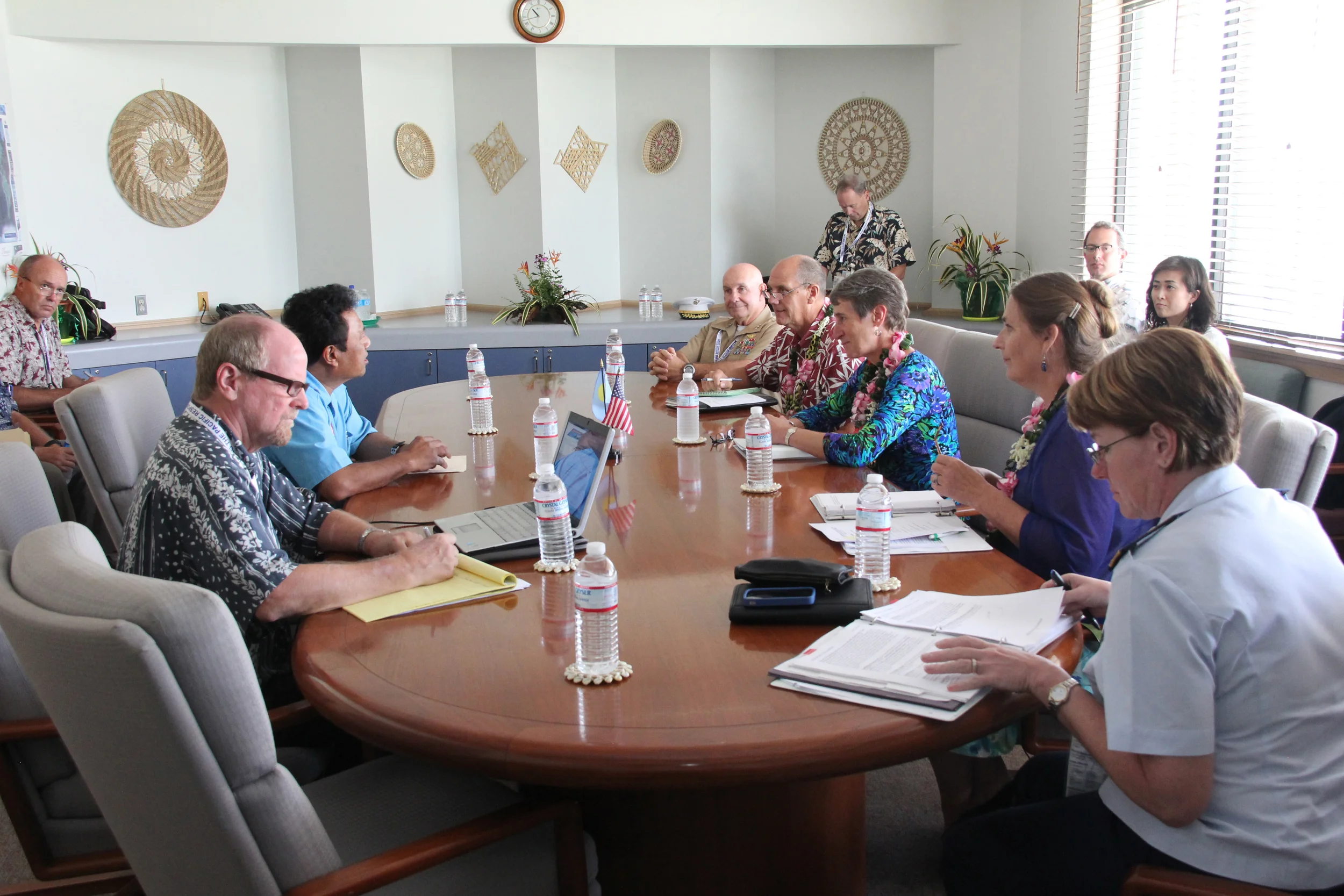
The Forum Regional Security Committee (FRSC)—a sub-forum under the Pacific Islands Forum—is a regional leader on political security and governance issues, including terrorism. Photo credit: U.S. Pacific Command, “Pacific Islands Forum,” CC BY-NC-ND 2.0.
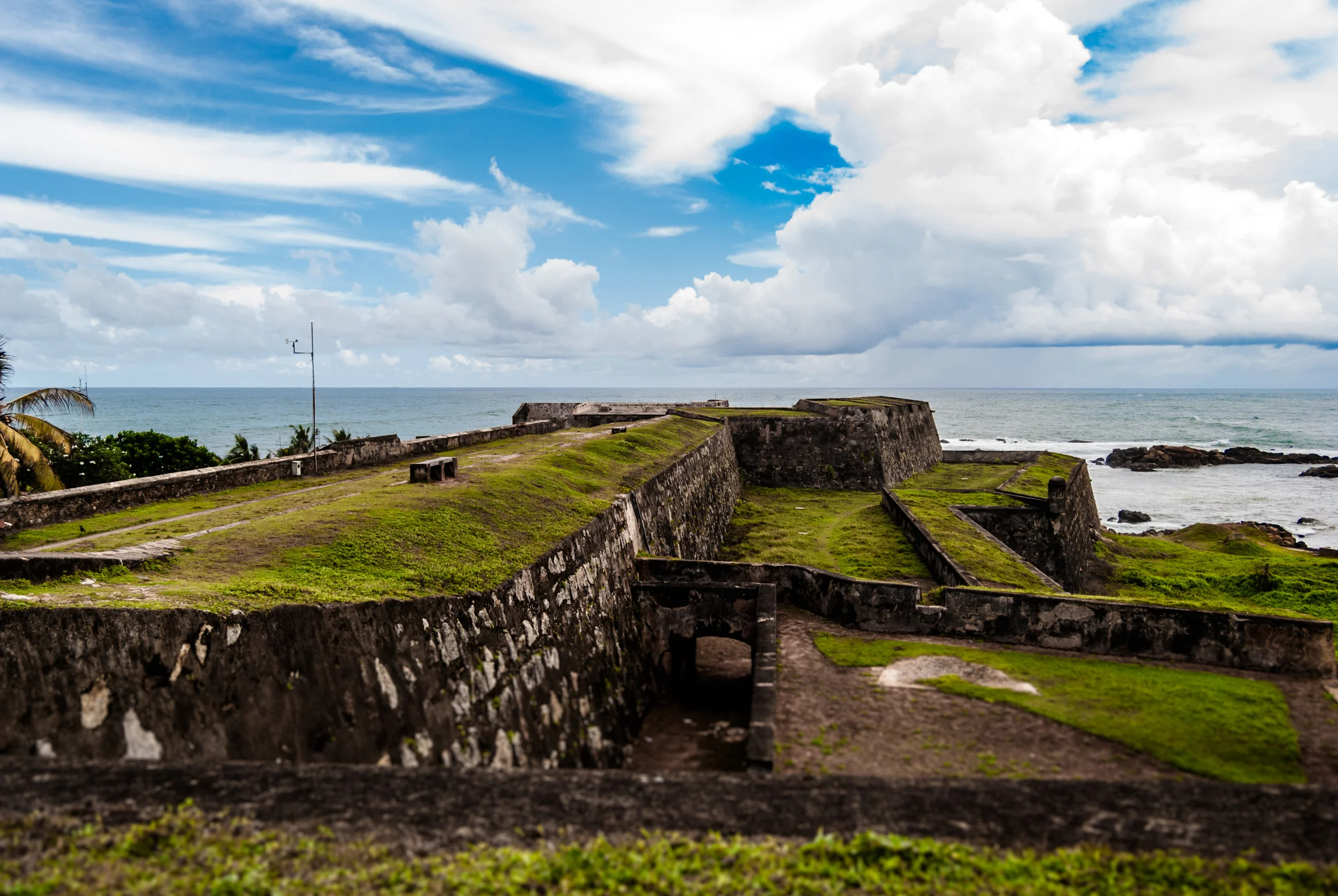
The Sri Lankan government hosts the Galle Dialogue, which includes multilateral discussions by international security force representatives on issues of regional security in South Asia, such as maritime-related terrorism and the trafficking of narcotics, weapons, and people. Photo credit: Marc Biebusch, “Galle Fort,” CC BY-SA 2.0.
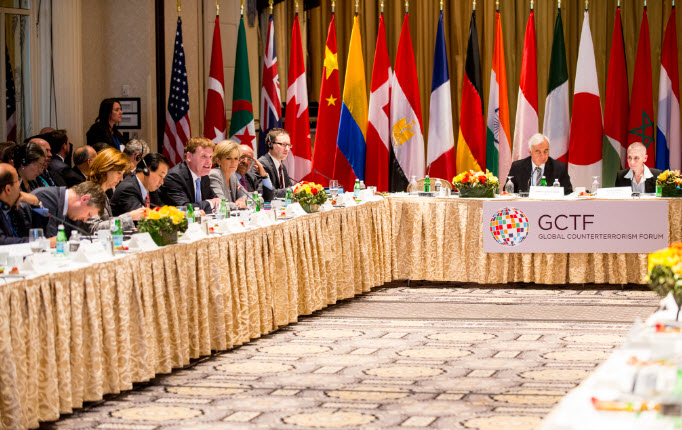
Founded in 2011, the Global Counter-Terrorism Forum “provides a venue for national counterterrorism (CT) officials and practitioners to meet with their counterparts from key countries in different regions to share CT experiences, expertise, strategies, capacity needs, and capacity-building programs. It prioritized civilian capacity building in areas such as rule of law, border management, and countering violent extremism.” Photo credit: DFATD | MAECD, “Baird Delivers Remarks at Global Counterterrorism Forum and Meeting | Le ministre Baird livre un discours à une réunion du Forum mondial de lutte contre le terrorisme,” CC BY-NC-ND 2.0.

An international partnership of 85 nations, the Global Initiative to Combat Nuclear Terrorism (GICNT) aims “to strengthen global capacity to prevent, detect, and respond to nuclear terrorism by conducting multilateral activities that strengthen the plans, policies, procedures, and interoperability of partner nations.” Photo credit: By Kristofferjay, “Members of the GICNT,” CC BY-SA 3.0 or GFDL, via Wikimedia Commons.

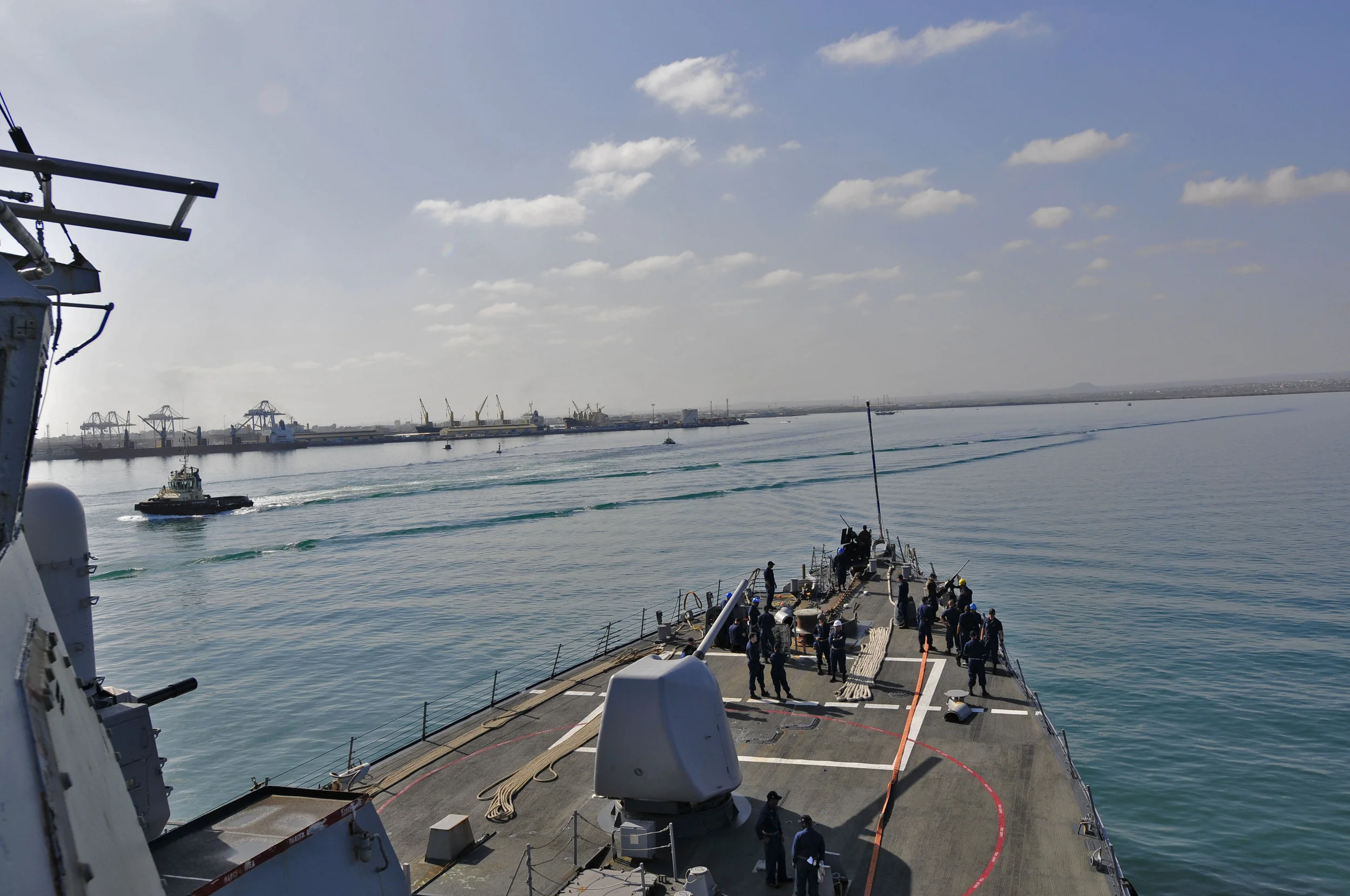
The Gulf of Aden Counterterrorism Forum focuses on the transnational threat posed by al-Shabaab and al-Qaeda in the Arabian Peninsula (AQAP). Photo credit: Official U.S. Navy Page, “USS Barry arriving in Djibouti,” CC BY 2.0.
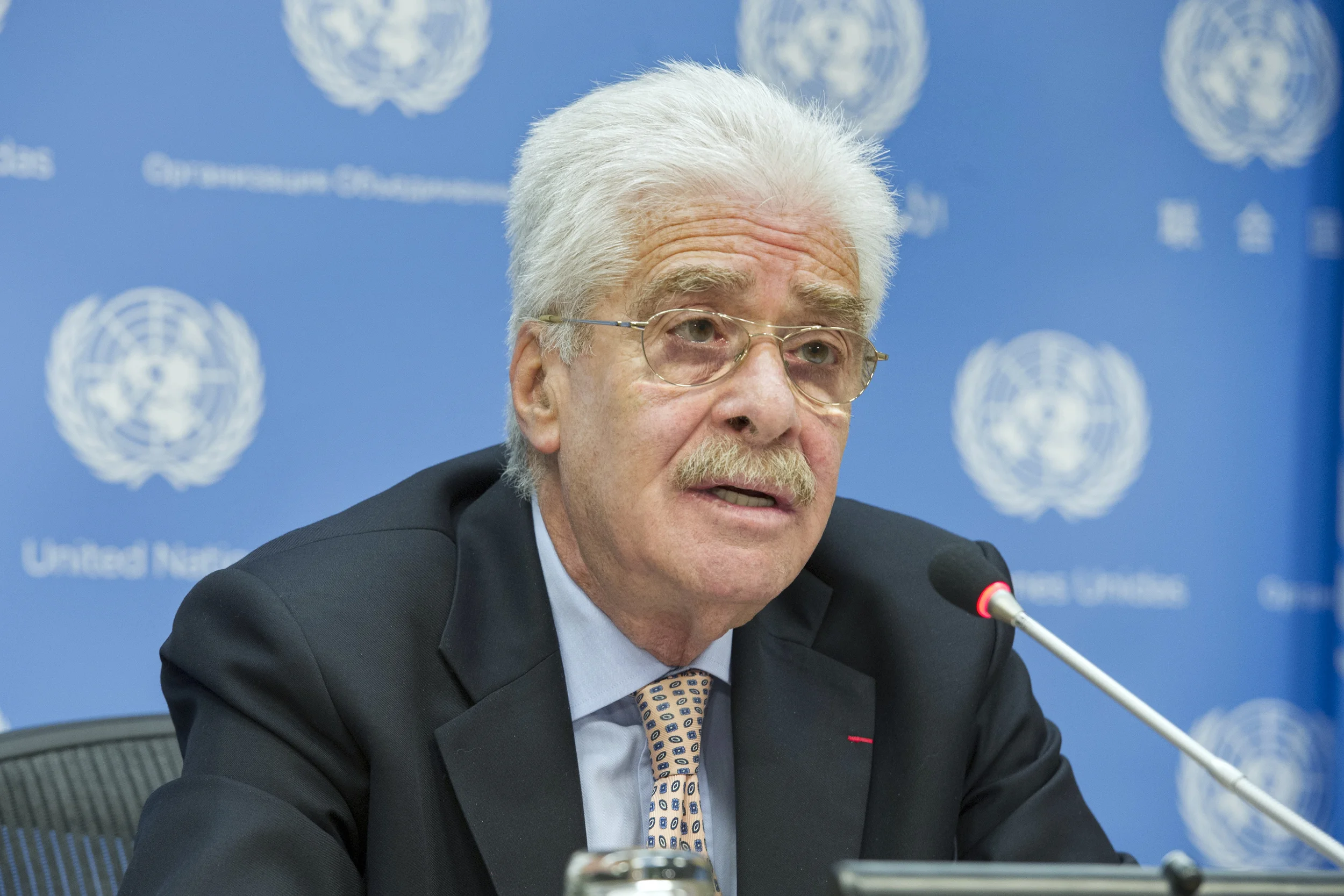
In the aftermath of hijackings in the 1970s, the ICAO shifted its focus to matters of prevention and detection in the fight against terrorism.
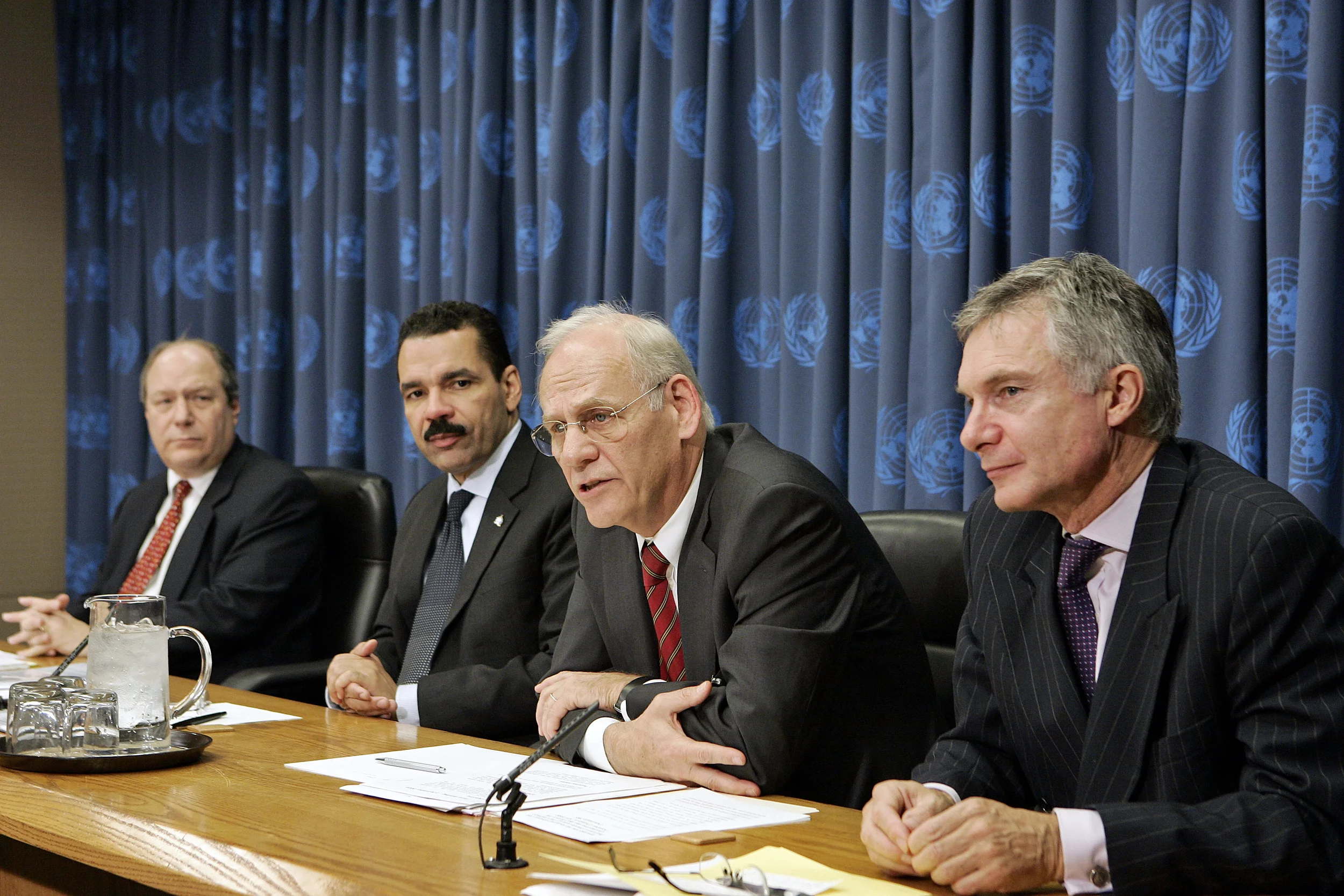
As the world’s largest police organization, the International Criminal Police Organization (INTERPOL) expends a portion of its resources on supporting their member countries in counterterrorism efforts. Photo credit: UN Photo/Mark Garten.
Legal measures adopted as part of the IMO regulatory regime support states’ anti-terrorism agendas. Photo credit: UN Photo/Mark Garten.
Especially since 2001, the IMF has expanded its efforts on anti-money laundering and combating the financing of terrorism. Photo credit: UN Photo/Rick Bajornas.

The MENAFATF is a FATF-style regional body (FSRB) for countries in the Middle East and North Africa. Photo credit: Ahmed Rabea, “World Trade Center, Bahrain,” CC BY-SA 2.0.
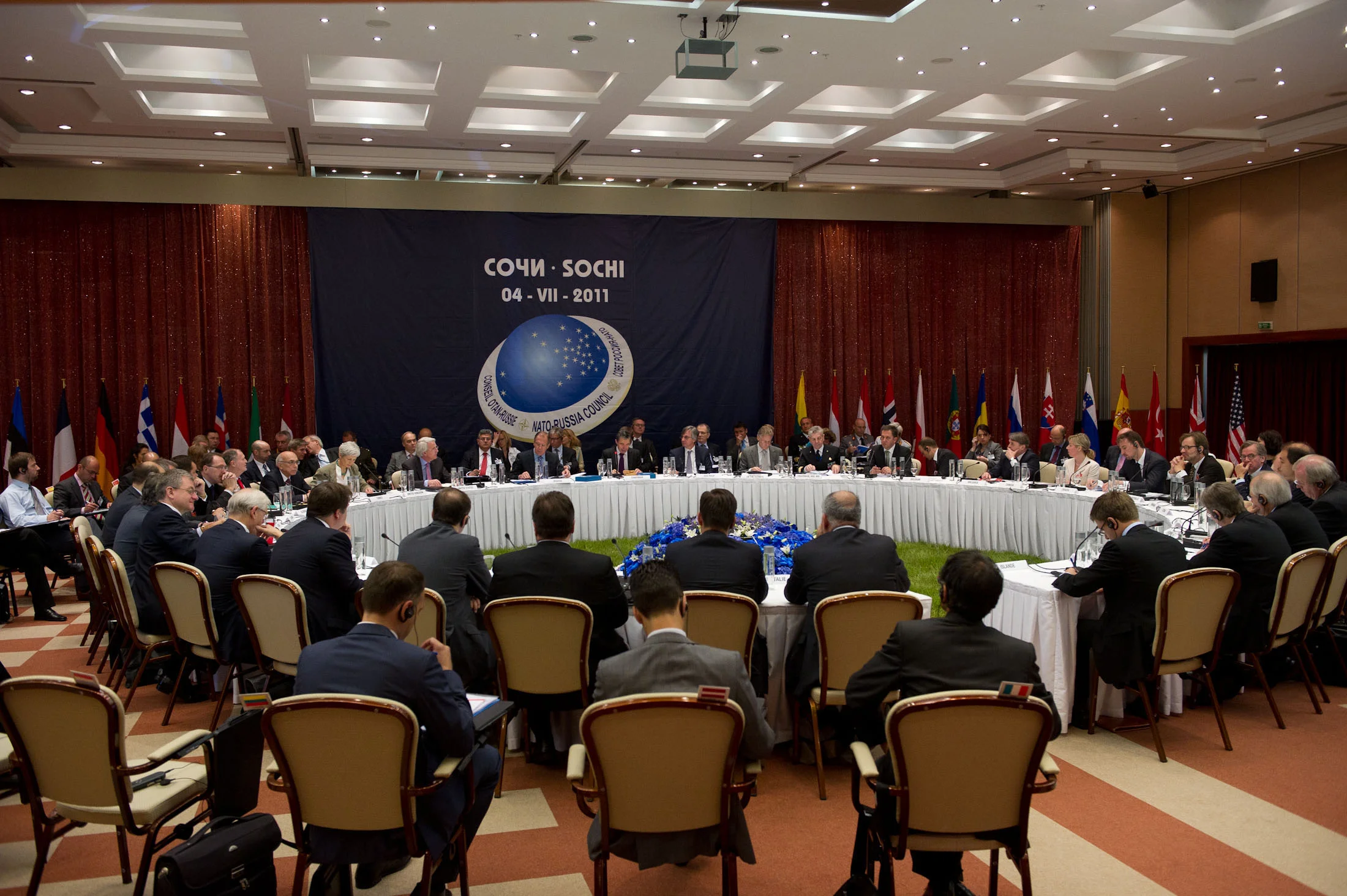
The Ad-Hoc Working Group works to facilitate cooperation among Russia and NATO member states in regard to counterterrorism activities, including sharing information and experiences, as well as developing new strategies and technologies for implementation. Photo credit: NATO-Russia Council, “Jul 2011 - NRC meets in Sochi,” CC BY-NC-SA 2.0.
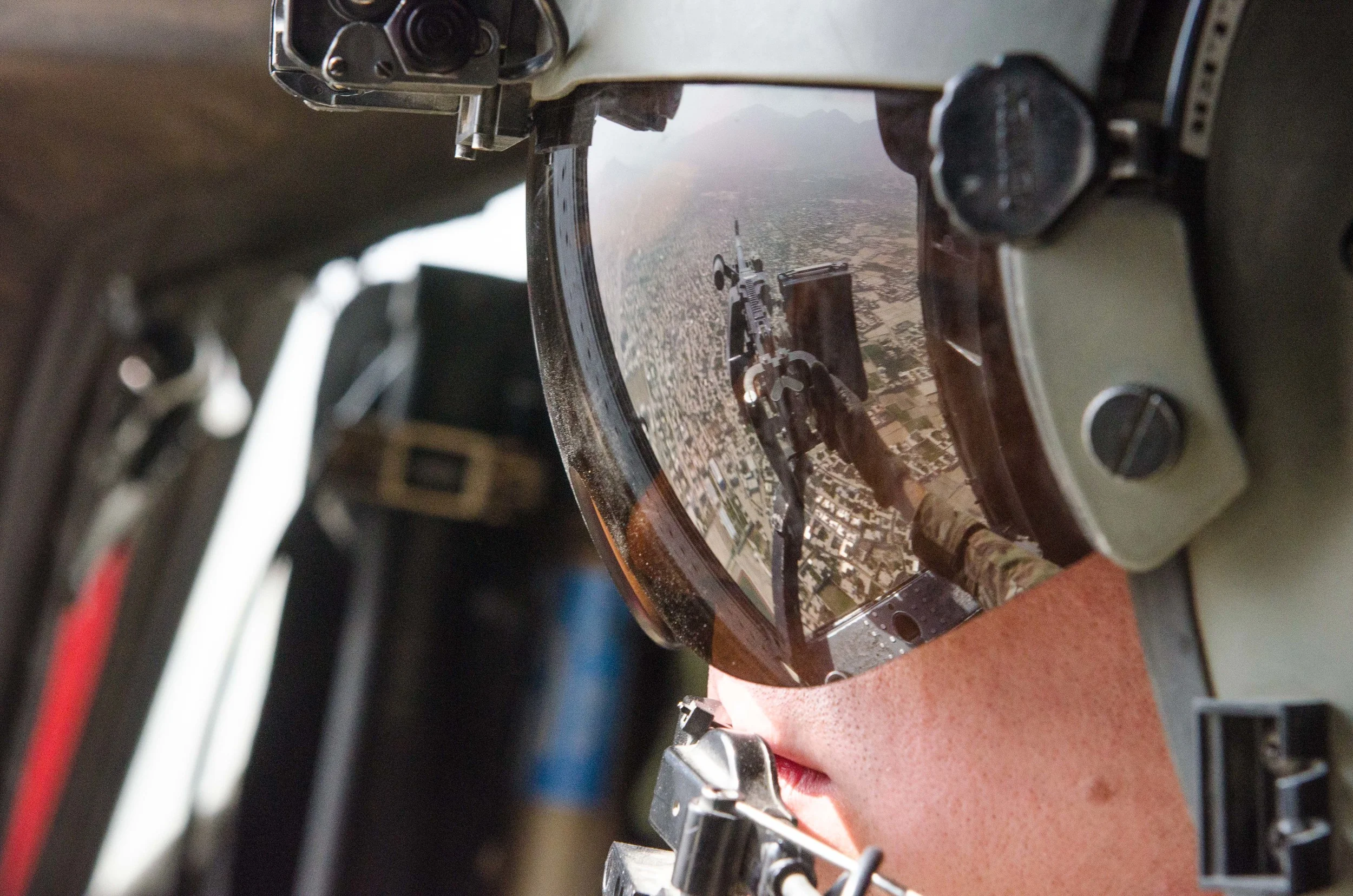
NATO aims to contribute to the international community’s counterterrorism effort in three ways: first, as a permanent transatlantic consultation forum; second, by maintaining military and civilian capabilities to help combat terrorism or manage the consequences of terrorist attacks; and third, by cooperating with other countries and international organizations. Photo credit: ResoluteSupportMedia, “Kabul seen in gunners visor,” CC BY 2.0.
The Charter of the Organization of Islamic Cooperation (OIC)—which aims to be the collective voice of the Muslim world and to safeguard and protect the interests of the Muslim world while promoting international peace—mandates that the organization cooperate in combating terrorism in all forms and manifestations. Photo credit: UN Photo/Eskinder Debebe.

The members of the Organization of the Black Sea Economic Cooperation (BSEC)—a multilateral political and economic initiative—have agreed to cooperate in the prevention, detection, suppression and investigation of acts of terrorism. Photo credit: Kuzeytac, “The Bosporus Bridge, Istanbul,” CC BY-NC-ND 2.0.
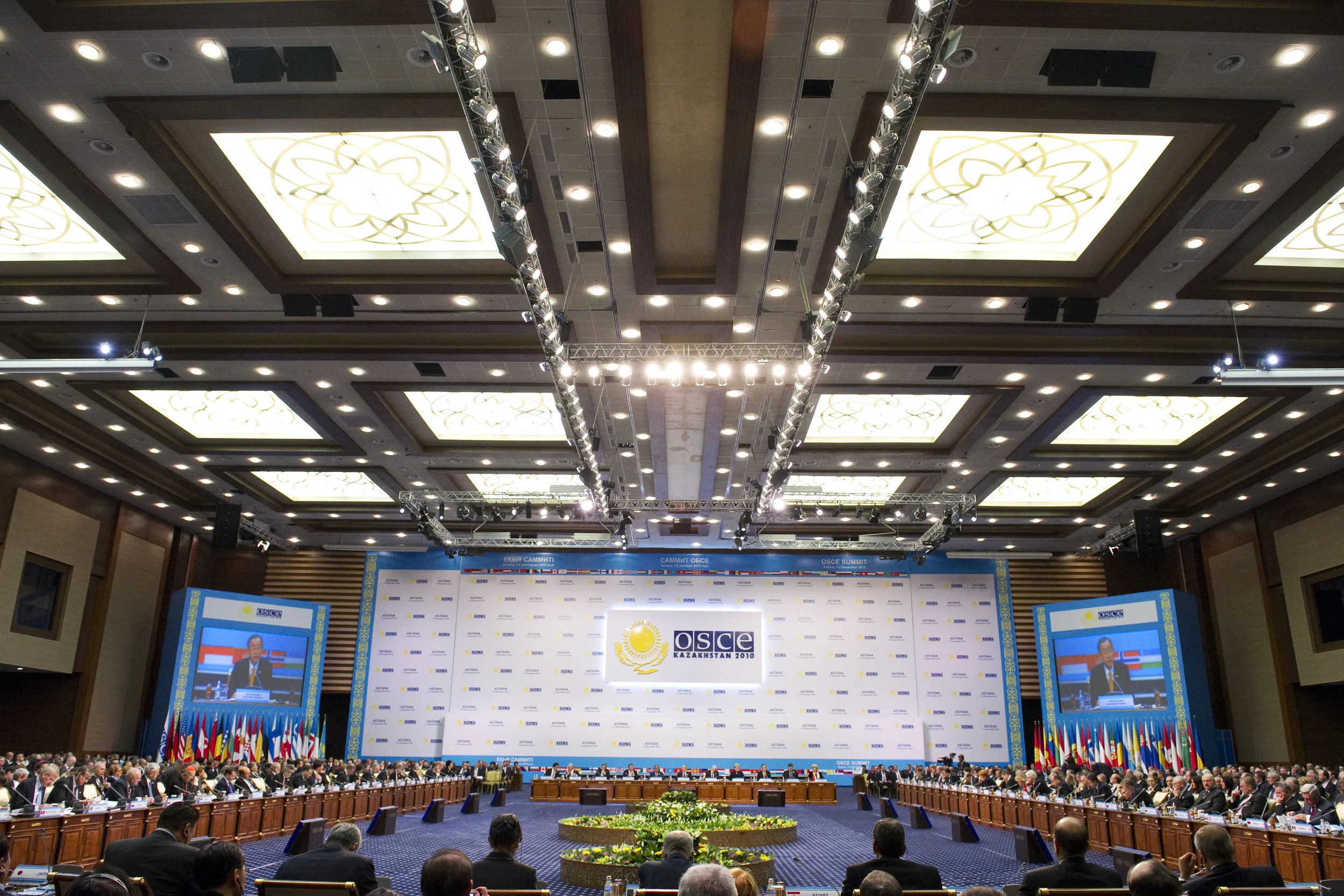
An intergovernmental organization, the OSCE attempts, among other things, to “eliminate the conditions conducive to the spread of terrorism” and to “enhance co-operation and build capacity to prevent and combat terrorism.” Photo credit: UN Photo/Eskinder Debebe.
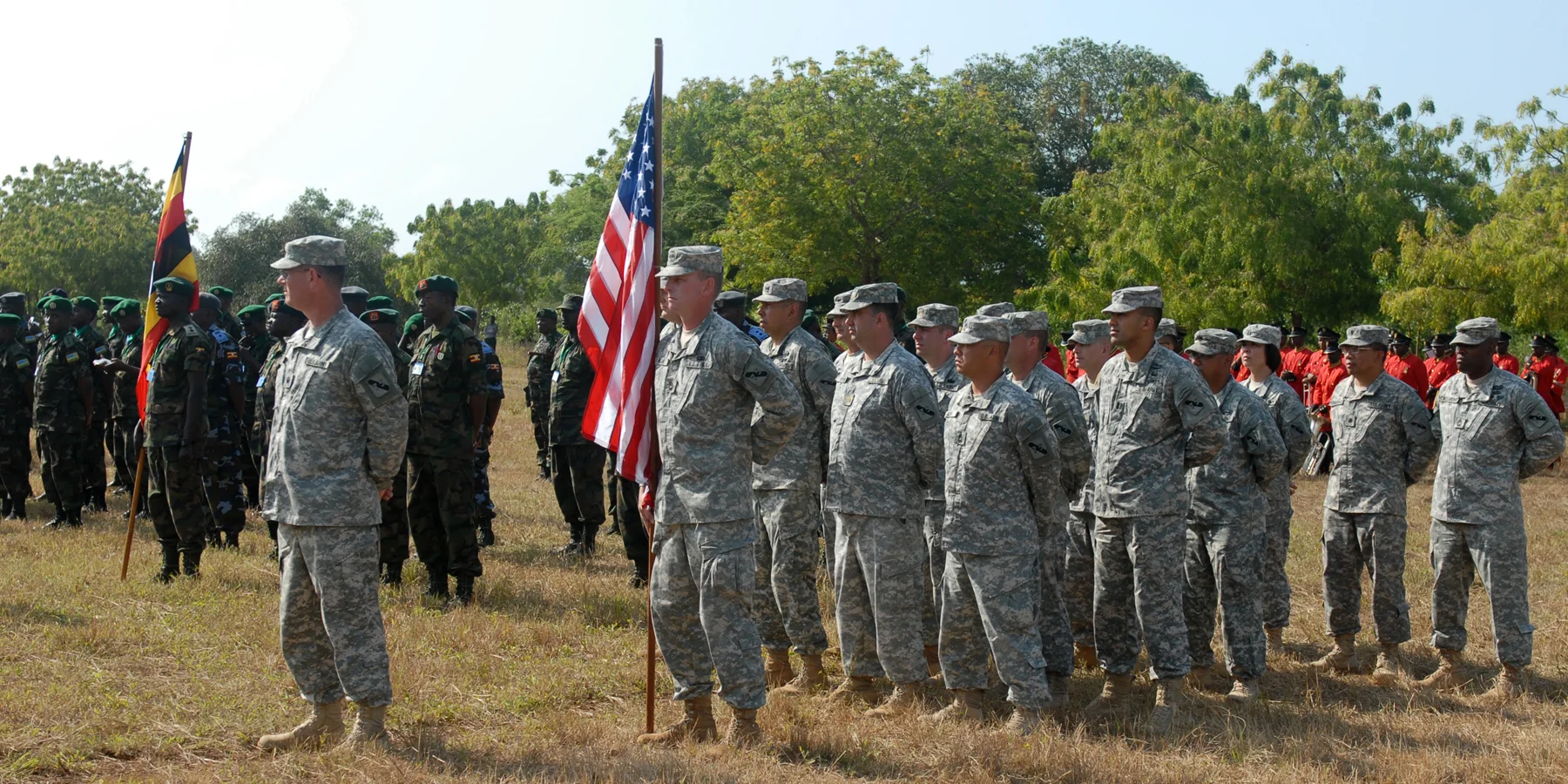
Funded by the U.S. government, the Partnership for Regional East Africa Counterterrorism (PREACT) is a multi-year program that aims to help “build the counterterrorism capacity and capability of member countries to thwart short-term terrorist threats, counter violent extremism, and address longer-term vulnerabilities.” Photo credit: US Army Africa, “Natural Fire 2011, September 2011,” CC BY 2.0.
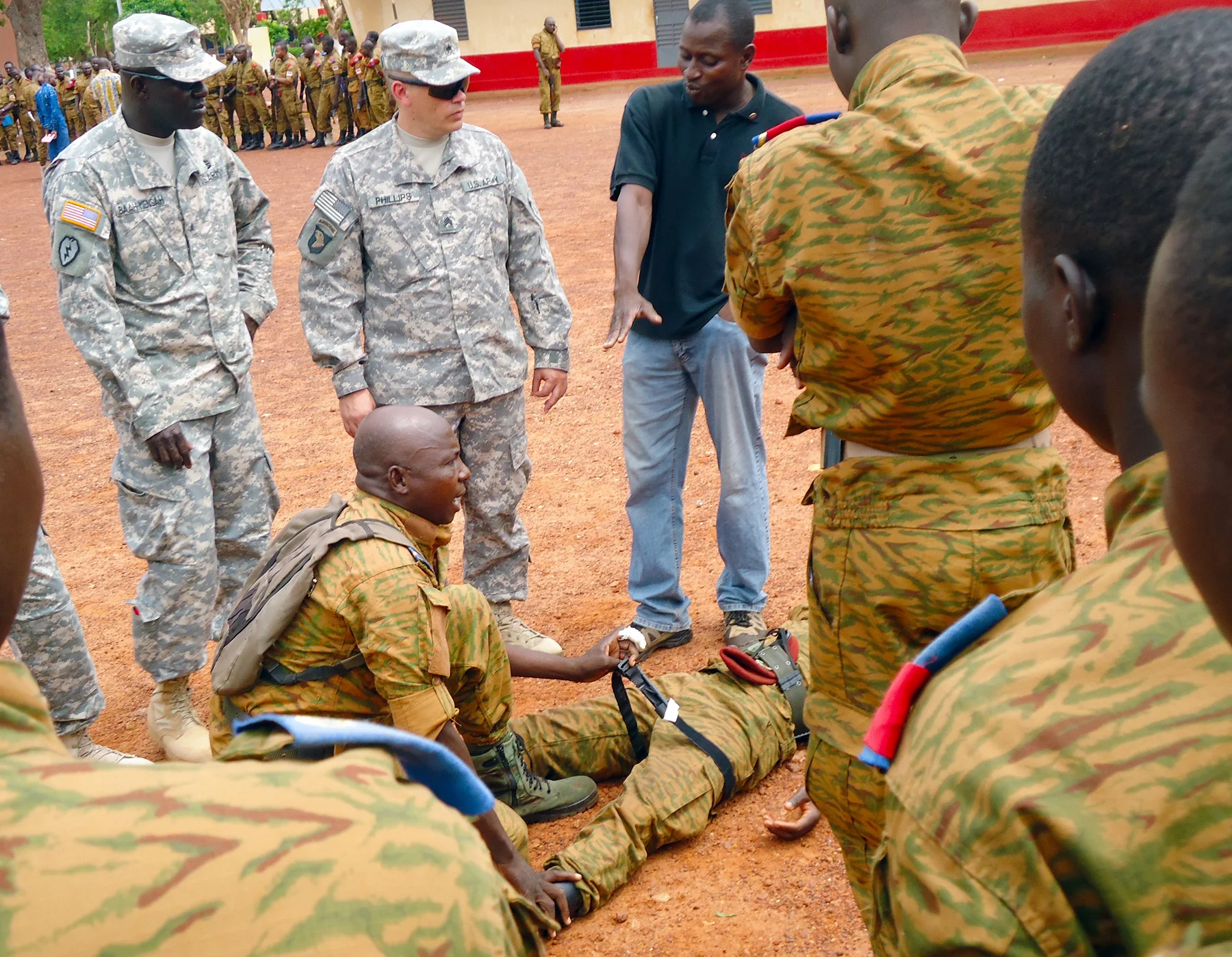
A multi-year effort aimed at countering violent extremism and funded by the U.S. government, the Trans-Sahara Counterterrorism Partnership attempts to “to enhance the indigenous capacities of governments in the pan-Sahel (...) to confront the challenge posed by terrorist organizations in the trans-Sahara; and to facilitate cooperation between those countries and U.S. partners in the Maghreb (...).” Photo credit: US Army Africa, “Burkina Faso Counter Terrorism Company receives training and equipment,” CC BY 2.0.

The GUAM Organization for Democracy and Economic Development is a regional organization; its Sub-Working Group on Combating Terrorism convenes meetings of the delegations of member states at which members may, among other things, share views on issues of national legislation and operational concerns, as well as the activities of member states relating to prevention and combating of terrorism. Photo credit: mariusz kluzniak, “winter kiev,” CC BY-NC-ND 2.0
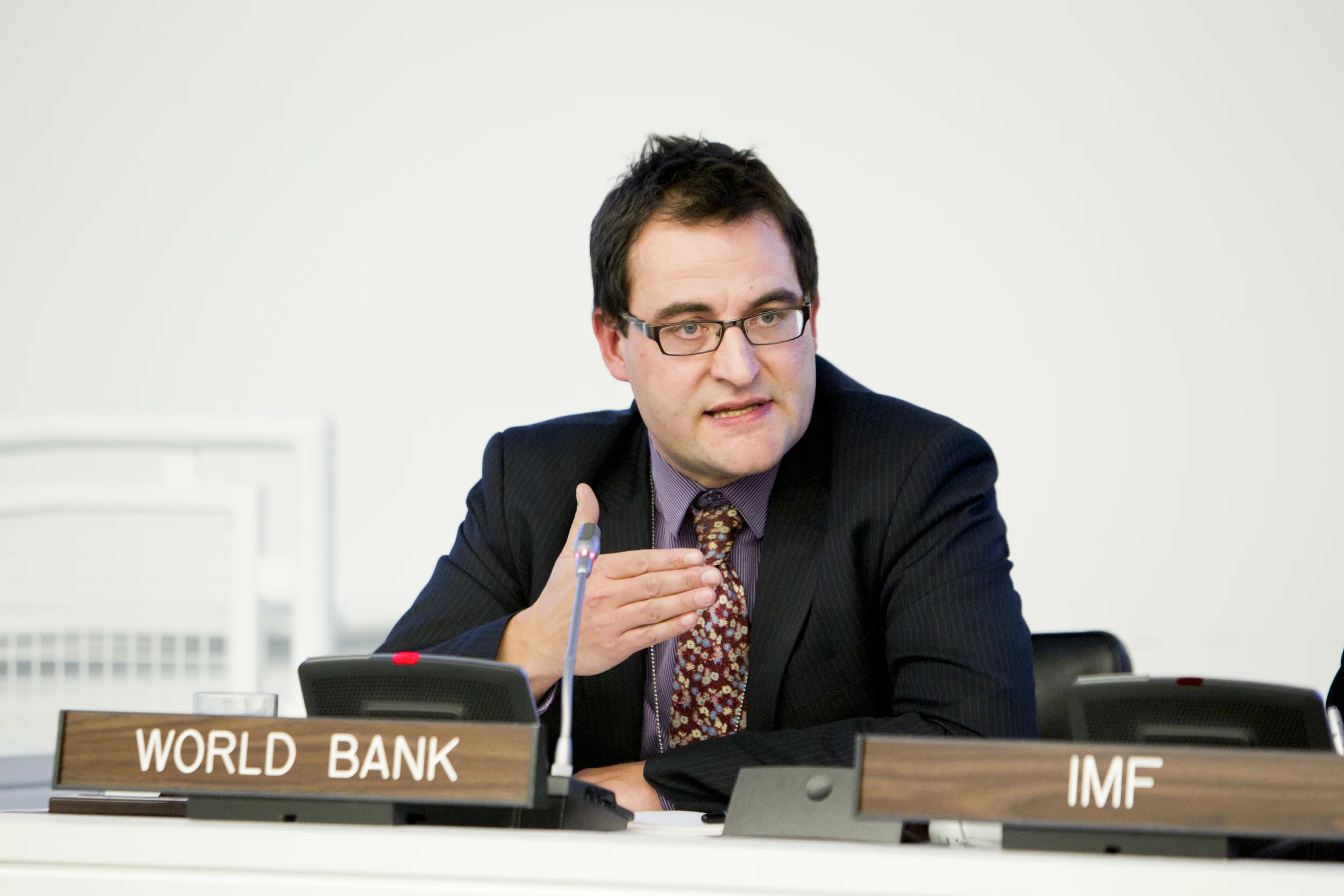
The Financial Market Integrity Group of the World Bank works with client countries to gauge the strength and effectiveness of their efforts in the area of Anti-Money Laundering and Combating Financial Terrorism (AML/CFT). Photo credit: UN Photo/Rick Bajornas.
Regional Efforts

The African Centre for Studies and Research on Terrorism works to facilitate cooperation on counterterrorism measures between African countries. Photo credit: Tahar Abroudjameur, “Algiers,” CC BY-NC-SA 2.0.
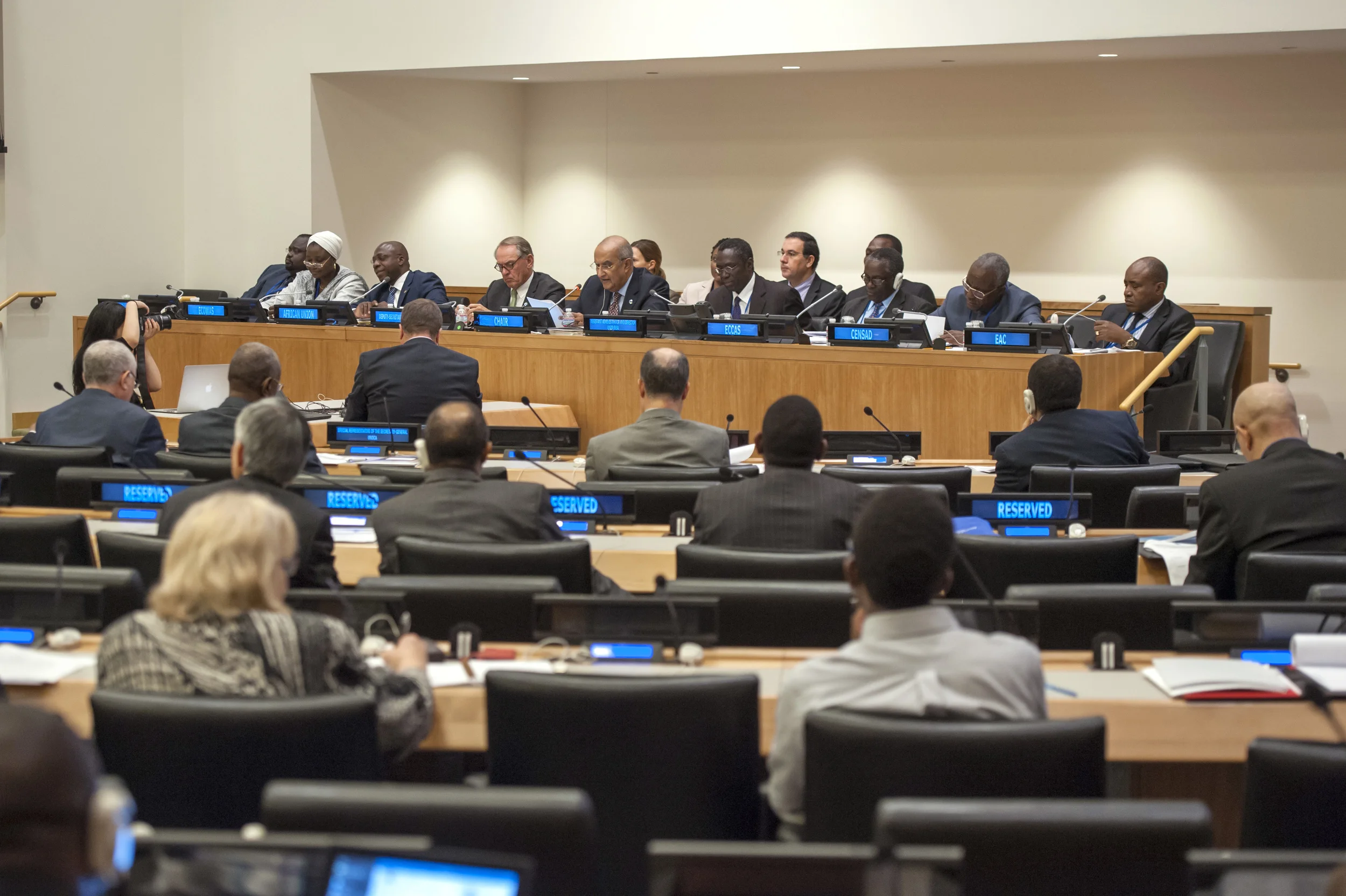
The East African Community is a regional intergovernmental organization which, among other projects, works on developing strategies to fight against terrorism in the region by ensuring peace, security and stability in regional integration. Photo credit: UN Photo/Cia Pak.
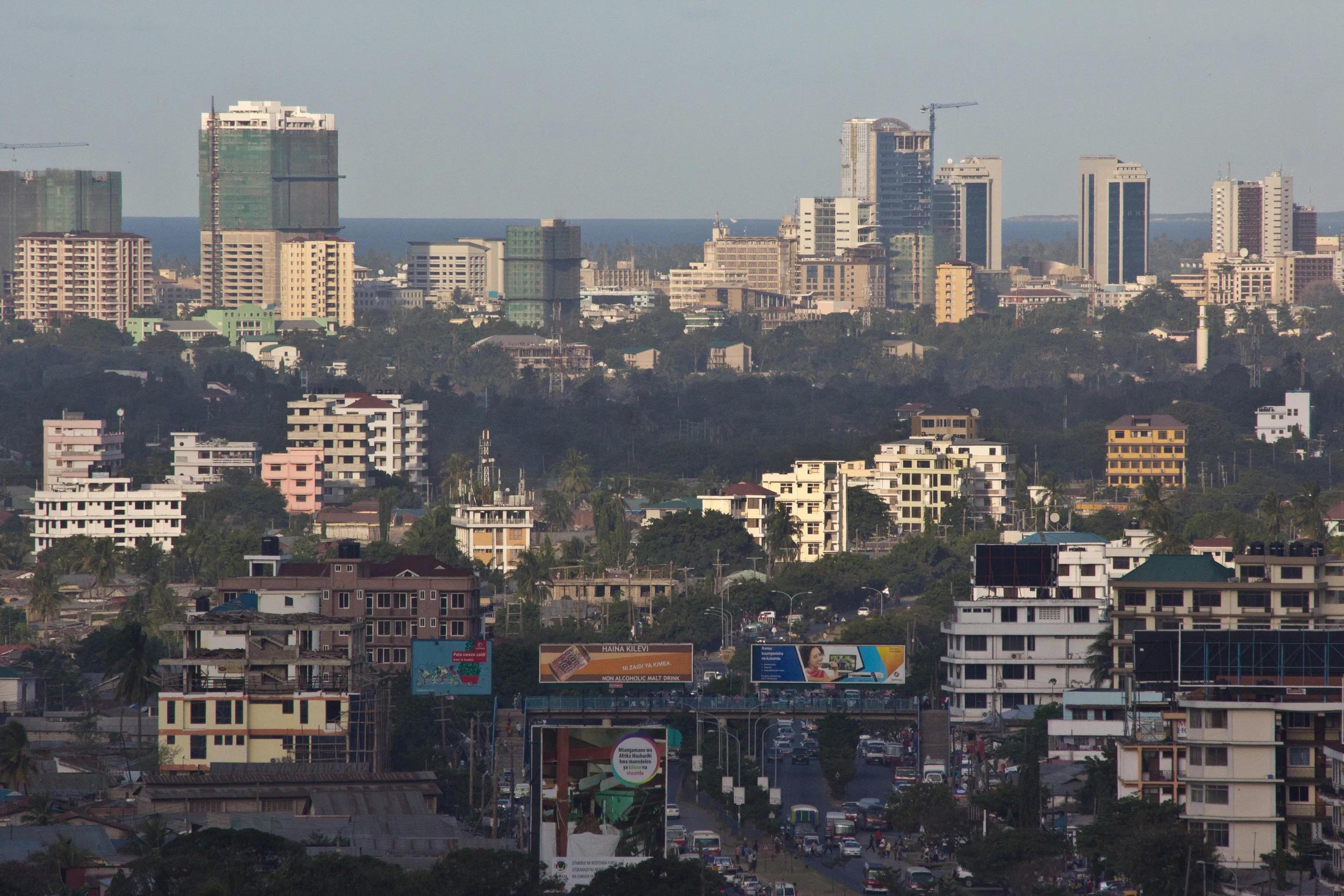
The ESAAMLG is a FATF-style regional body (FSRB) for countries in eastern and southern Africa. Photo credit: Andrew Moore, “Dar es Salaam II,” CC BY-SA 2.0.
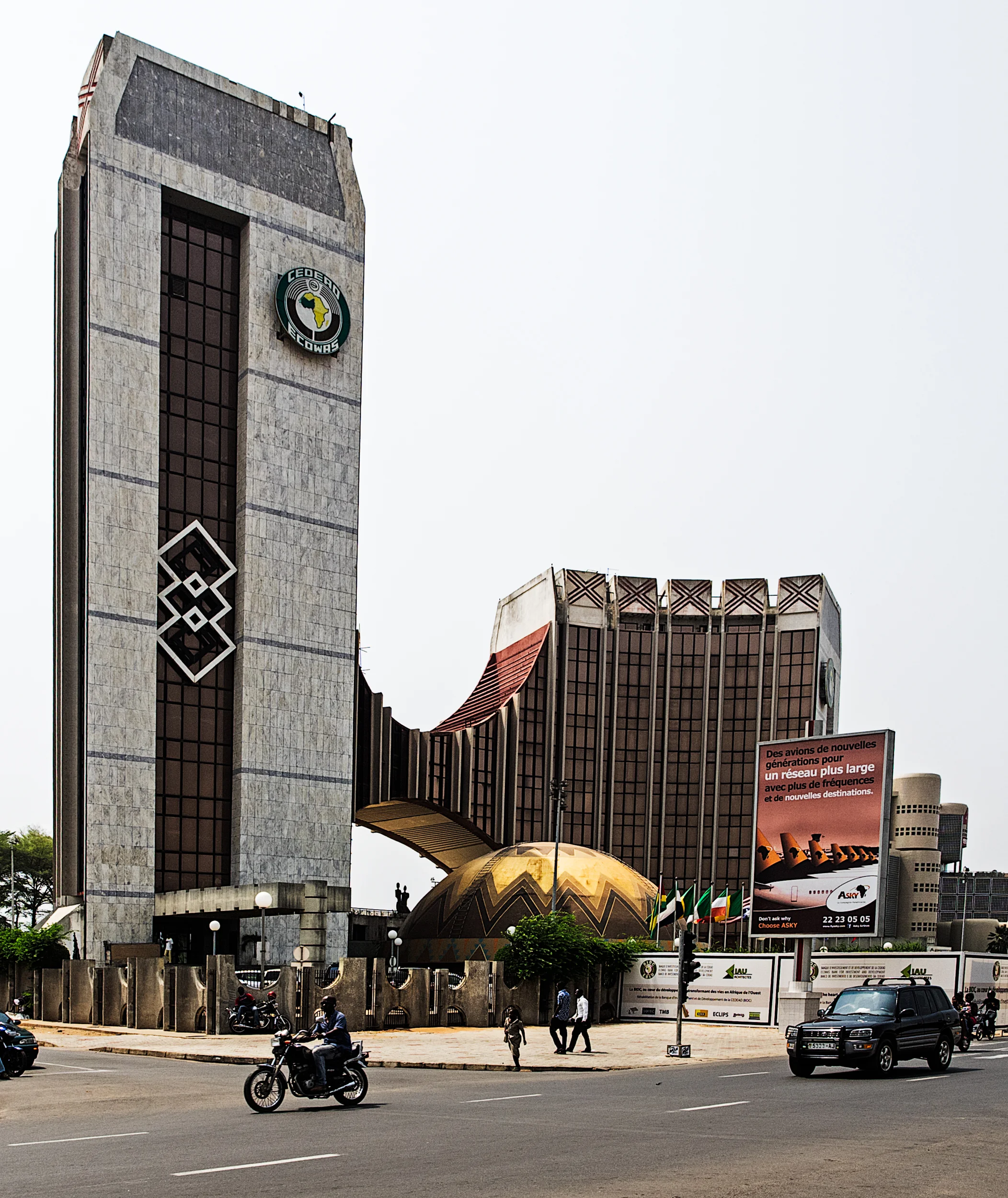
ECOWAS developed the Counter-Terrorism Strategy and Implementation Plan as a means of reducing terrorism in West Africa as well as implement larger-scale counterterrorism measures in the region and beyond. Photo credit: Willem Heerbaart, “Ecowas Headquarters, Lomé, Togo,” CC BY 2.0.
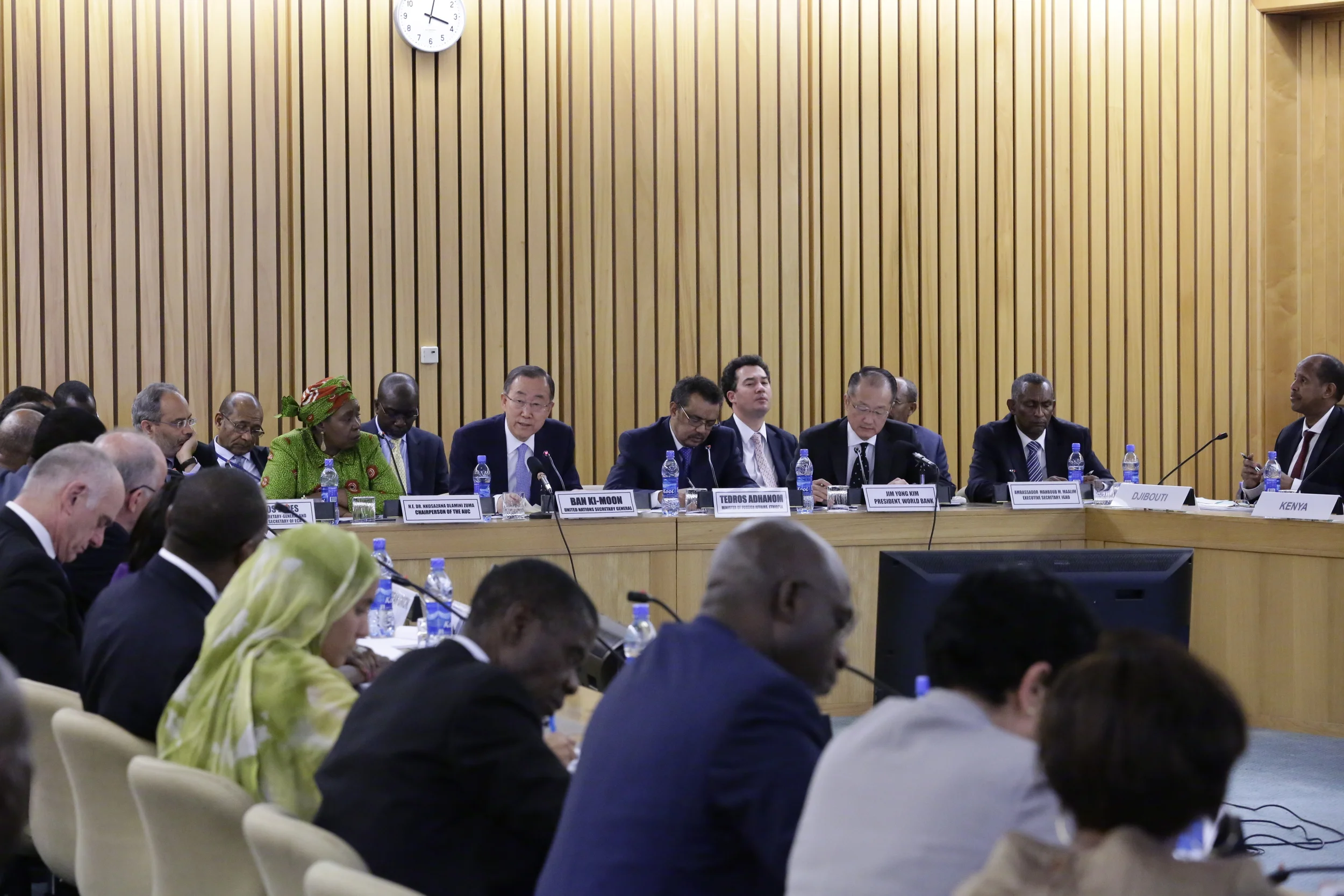
Created in 2006, the IGAD Capacity Building Program against Terrorism (ICPAT) engages in building national capacity to combat terrorism and promotes regional security cooperation. Photo credit: UN Photo/Evan Schneider.

The GIABA is a FATF-style regional body (FSRB) for countries in West Africa. Photo credit: Jeff Attaway, “Dakar Senegal - Looking North,” CC BY 2.0.
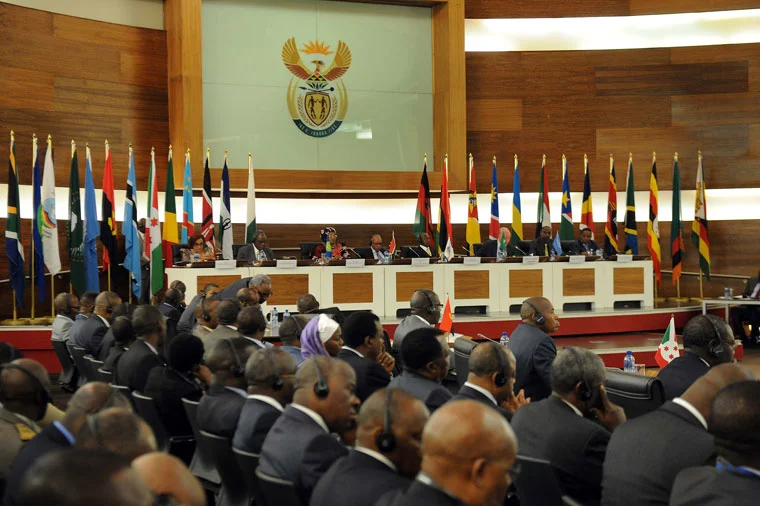
The International Conference on the Great Lakes Region (ICGLR) is an intergovernmental organization of the countries in the African Great Lakes Region, a focus of which is jointly combatting transnational crime and terrorism at a regional level. Photo credit: GovernmentZA, “Joint SADC International Conference on the Great Lakes Region, 4 Nov 2013,” CC BY-ND 2.0.
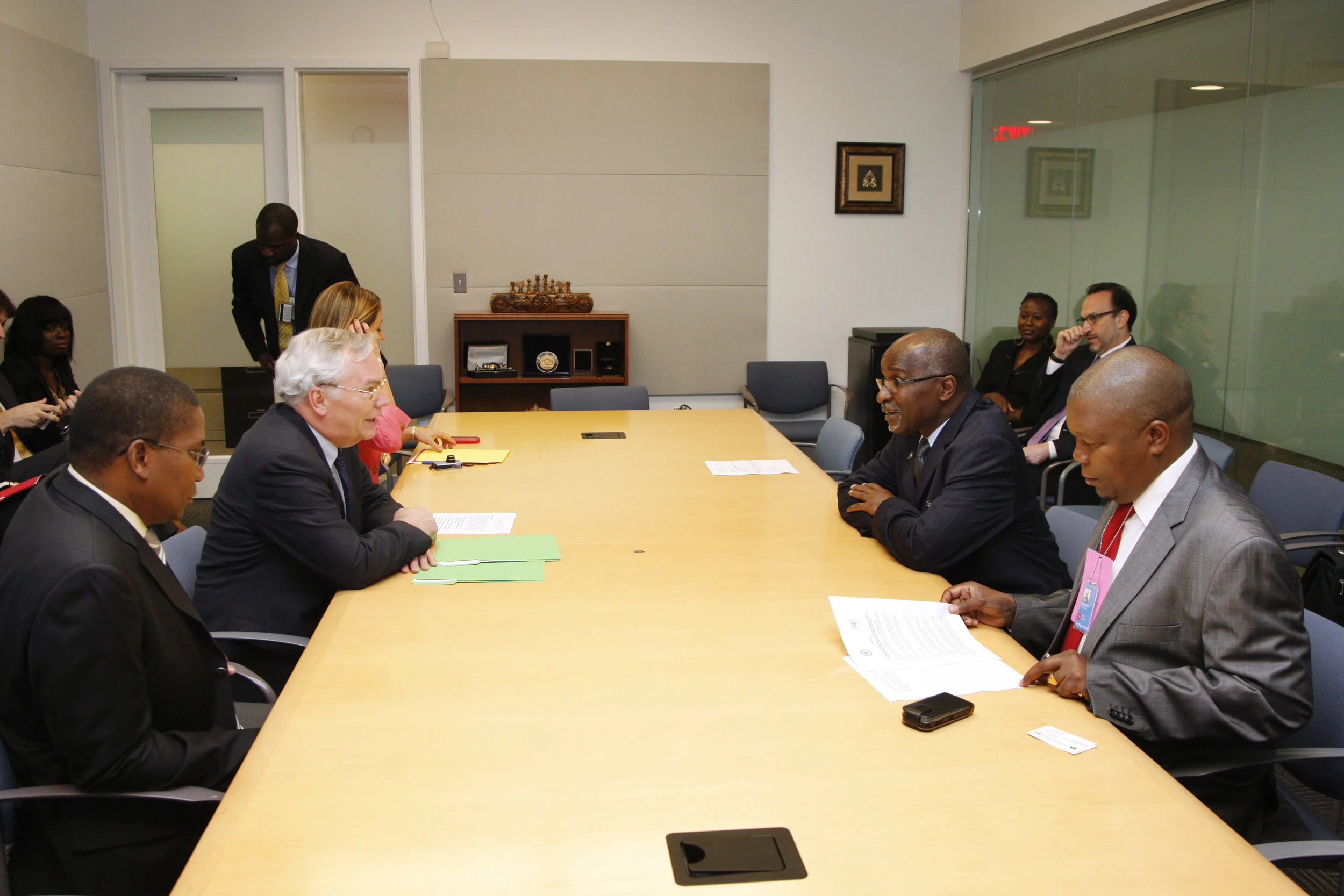
As laid out in its 2002 Declaration on Terrorism, the SADC works to incorporate international counterterrorism instruments into domestic law, promote international cooperation and strengthening of domestic capacity, and fight terrorism generally using any means available. Photo credit: UN Photo/Evan Schneider.

Established in 1987, the Association of Caribbean Commissioners (ACCP) works to promote regional cooperation in the fight against criminal activities in areas including narcotics, terrorism, and organized crime. Photo credit: Mark Morgan, “Association of Caribbean Commissioners of Police,” CC BY 2.0.

The CFATF implements common counter-measures against money laundering and combat the financing of terrorism. Photo credit: Quinten Questel, “Port of Spain, Trinidad and Tobago Nightscape,” CC BY-NC-ND 2.0.
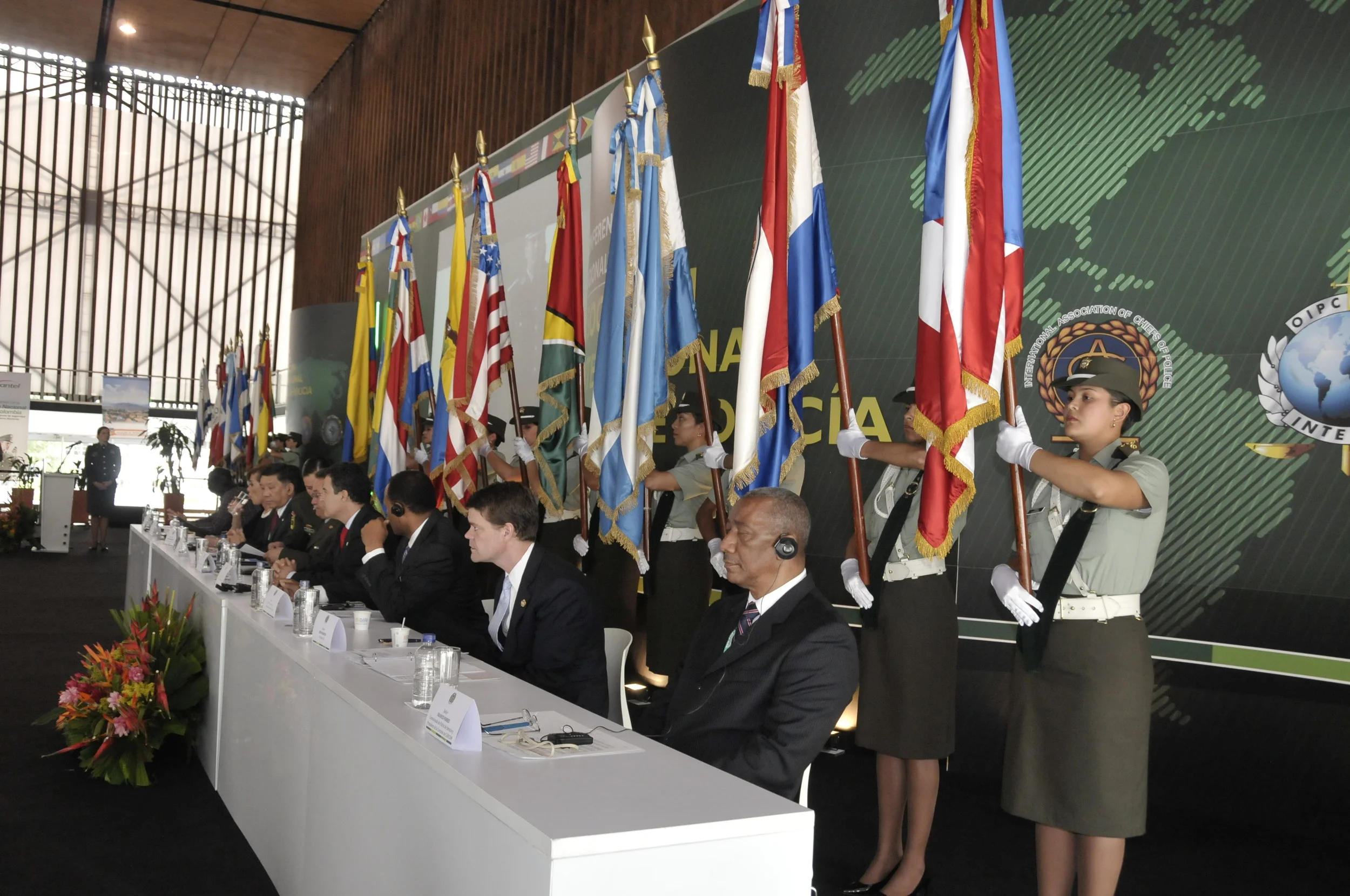
The Latin American and Caribbean Community of Police Intelligence (CLACIP)—an organization of Latin American and Caribbean law enforcement intelligence agencies from 28 countries—collaborates on programs, training, and conferences that promote the exchange of ideas, investigative techniques, and specific crime-related information to bolster anti-crime and counterterrorism efforts. Photo credit: Policía Nacional de los colombianos, “X Conferencia Regional de la Asociación Internacional de Jefes de Policía,” CC BY-SA 2.0.
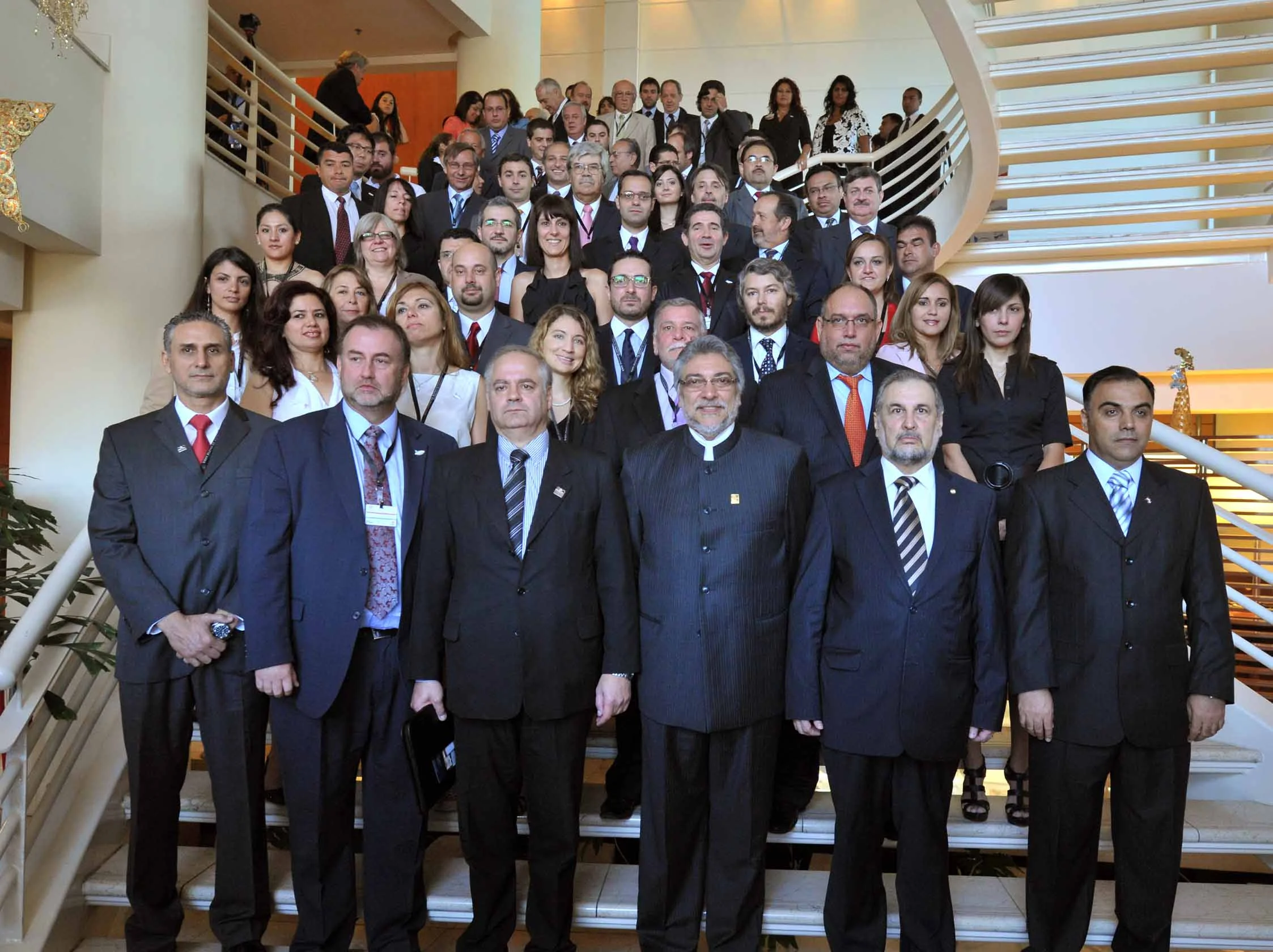
The GAFILAT is a FATF-style regional body (FSRB) for countries in Latin America. Photo credit: Fernando Lugo Méndez, “Fernando Lugo en la foto oficial de GAFISUD,” CC BY-NC-SA 2.0.
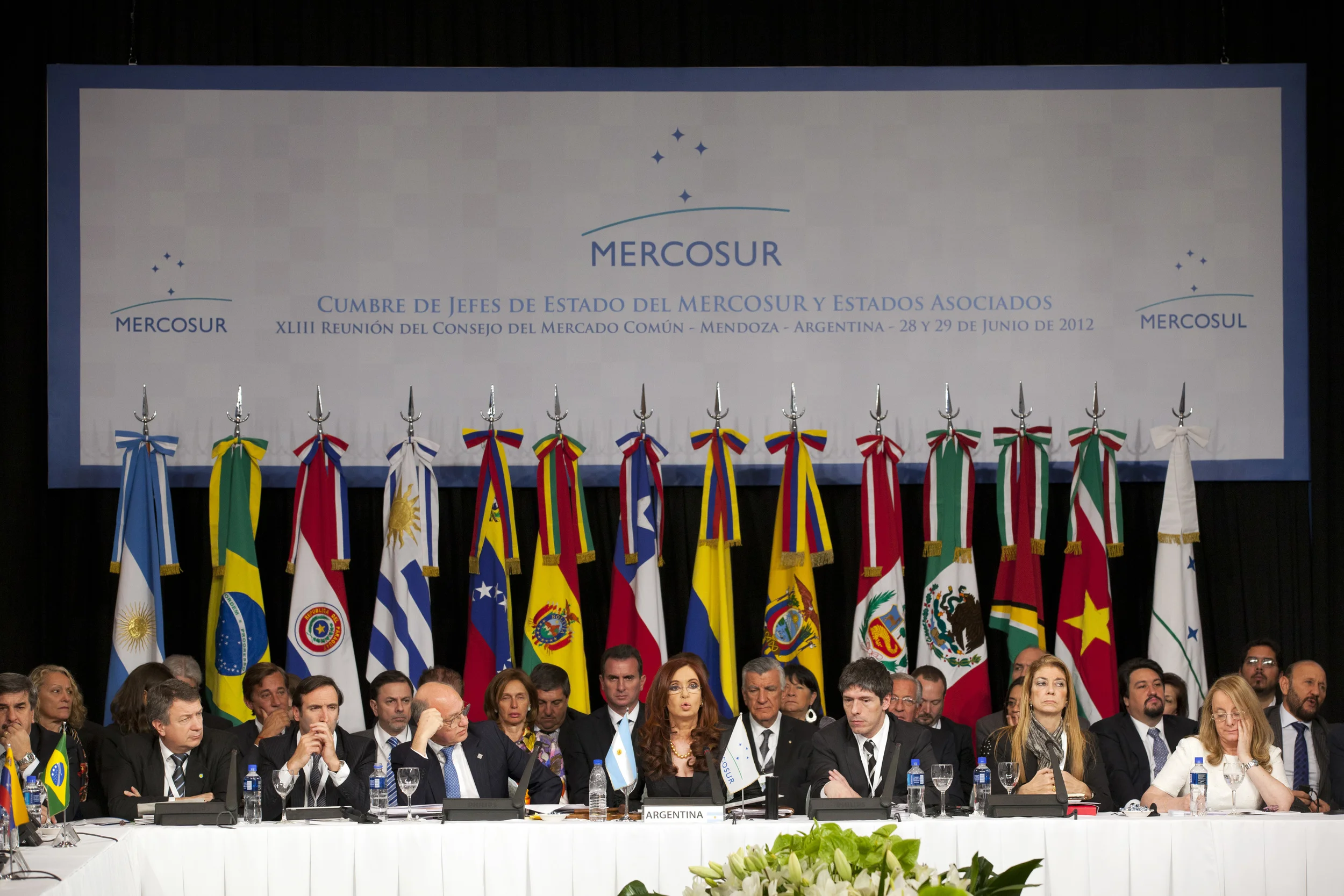
Mercosur’s Terrorism Working Group was established in 1999; later, the Working Group was joined by a Permanent Working Group, which employs experts in foreign affairs, finance, experts in intelligence, antiterrorism, secret services, and justice ministers of the Mercosur full members to coordinate efforts against regional terrorist threats. Photo credit: Cancillería del Ecuador, “Inauguración de la XLIII Cumbre de Jefes y Jefas de Estado del MERCOSUR y Estados Asociados,” CC BY-SA 2.0.

The Inter-American Committee Against Terrorism (CICTE) was established in 1999; its mission is to facilitate and encourage member states’ cooperation in the prevention, opposition and elimination of terrorism. Photo credit: OEA - OAS, “Inauguration of CICTE 2013 Regular Session,” CC BY-NC-ND 2.0.
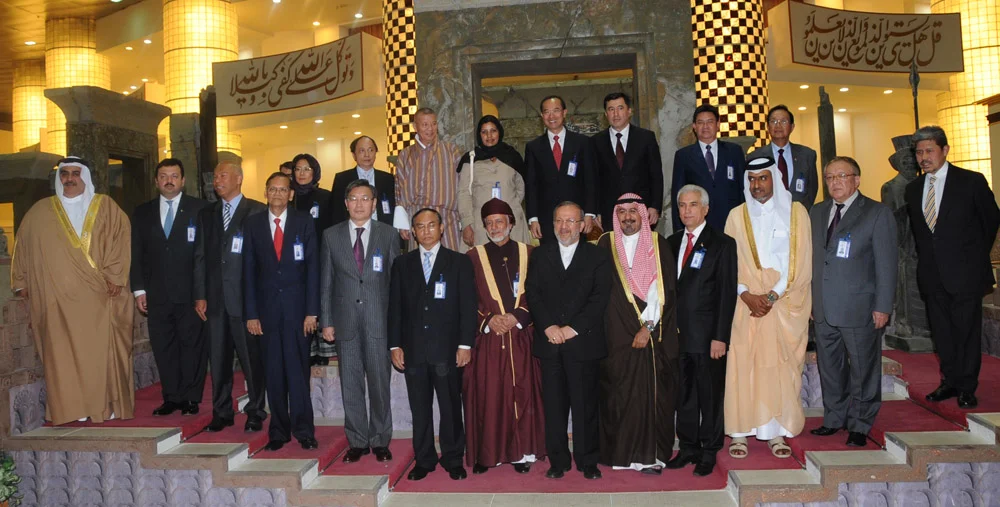
The Asia Cooperation Dialogue is a continent-wide forum, which has encouraged governments to exchange information and intelligence concerning terrorist activities, urged governments to increase the ratification of international counterterrorism instruments, enhanced awareness of potential threats through ‘People Watch’ initiatives, and conducted studies of best crisis management practices in ACD countries. Photo credit: Bahrain Ministry of Foreign Affairs, “The 9th Ministerial Meeting of Asia Cooperation Dialogue - Iran 2010,” CC BY-ND 2.0.
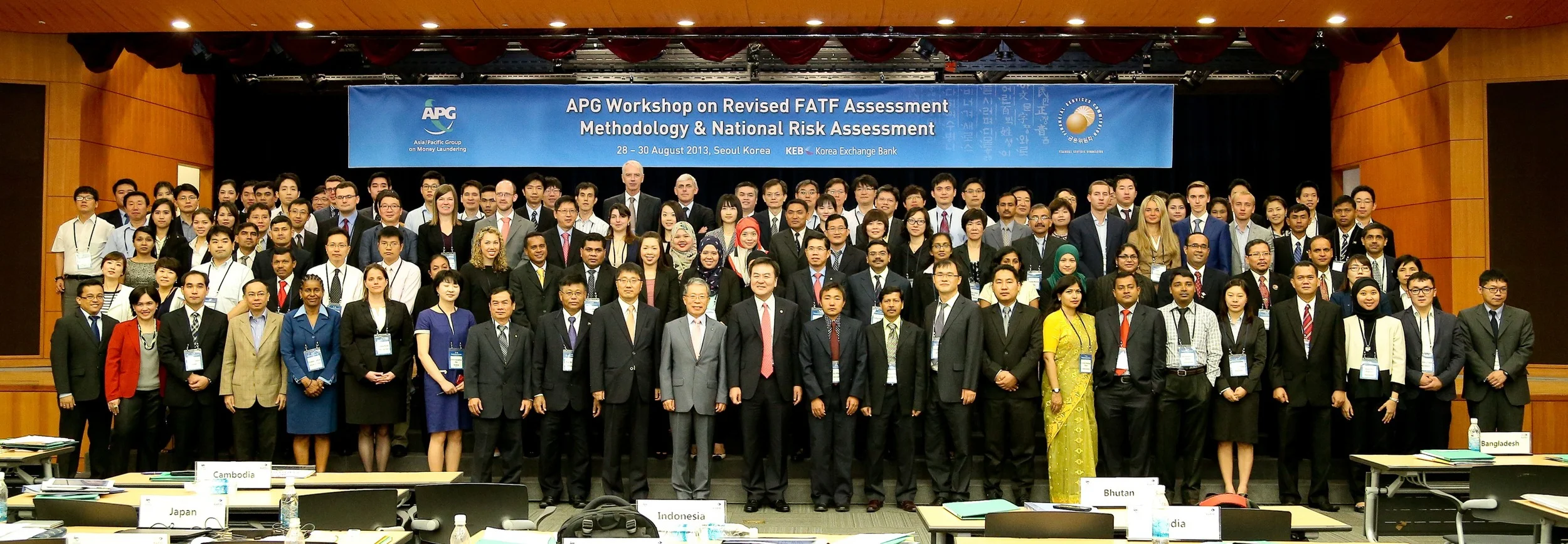
With 41 member states, the Asia/Pacific Group on Money Laundering—a FATF-style Regional Body (FSRB)—aims to effectively implement and enforce internationally accepted standards against money laundering and the financing of terrorism.
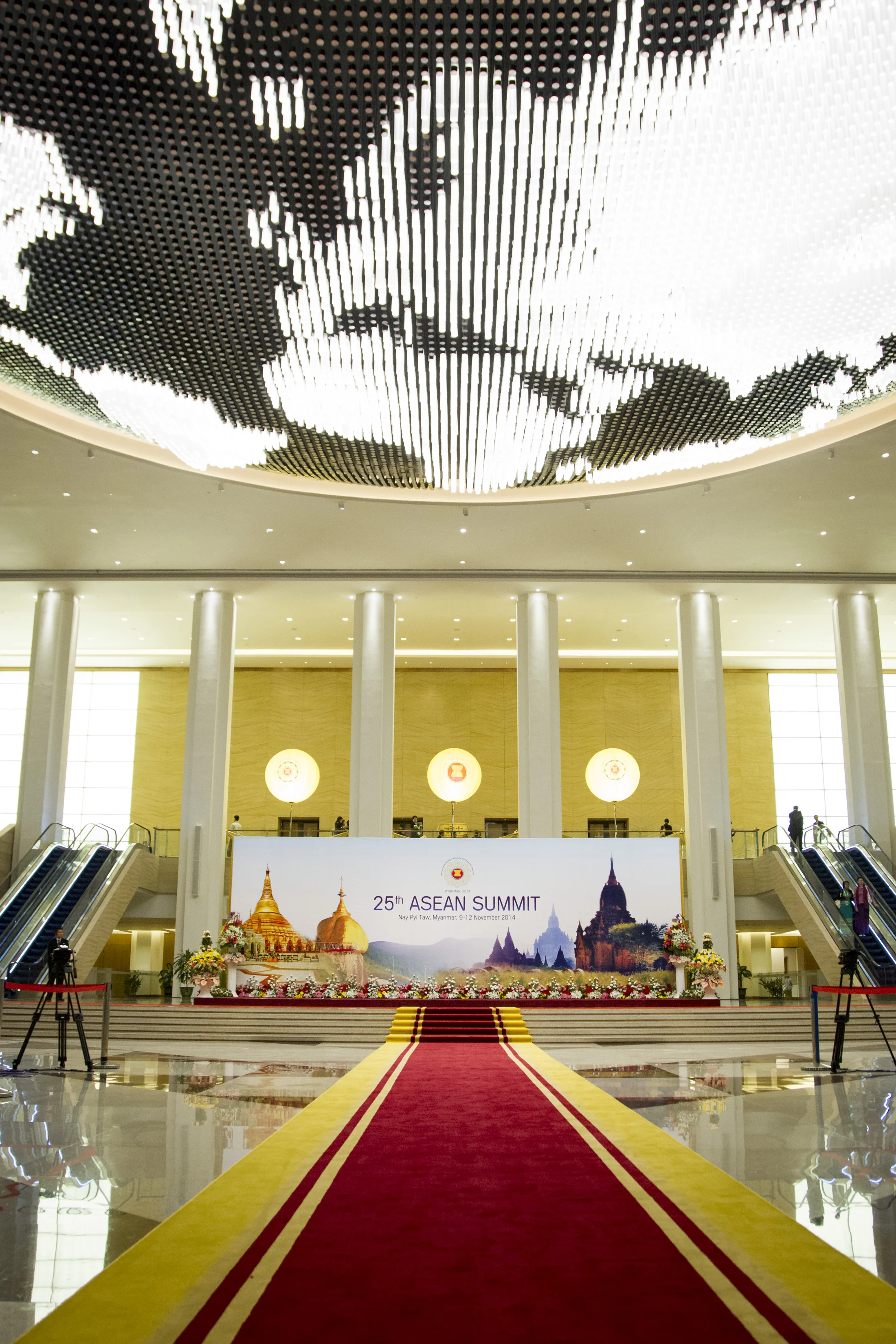
The ASEAN Regional Forum Inter-Sessional Meetings on Counter-Terrorism and Transnational Crime work to facilitate meaningful discussion and cooperation in counterterrorism proposals and efforts. Photo credit: UN Photo/Rick Bajornas.
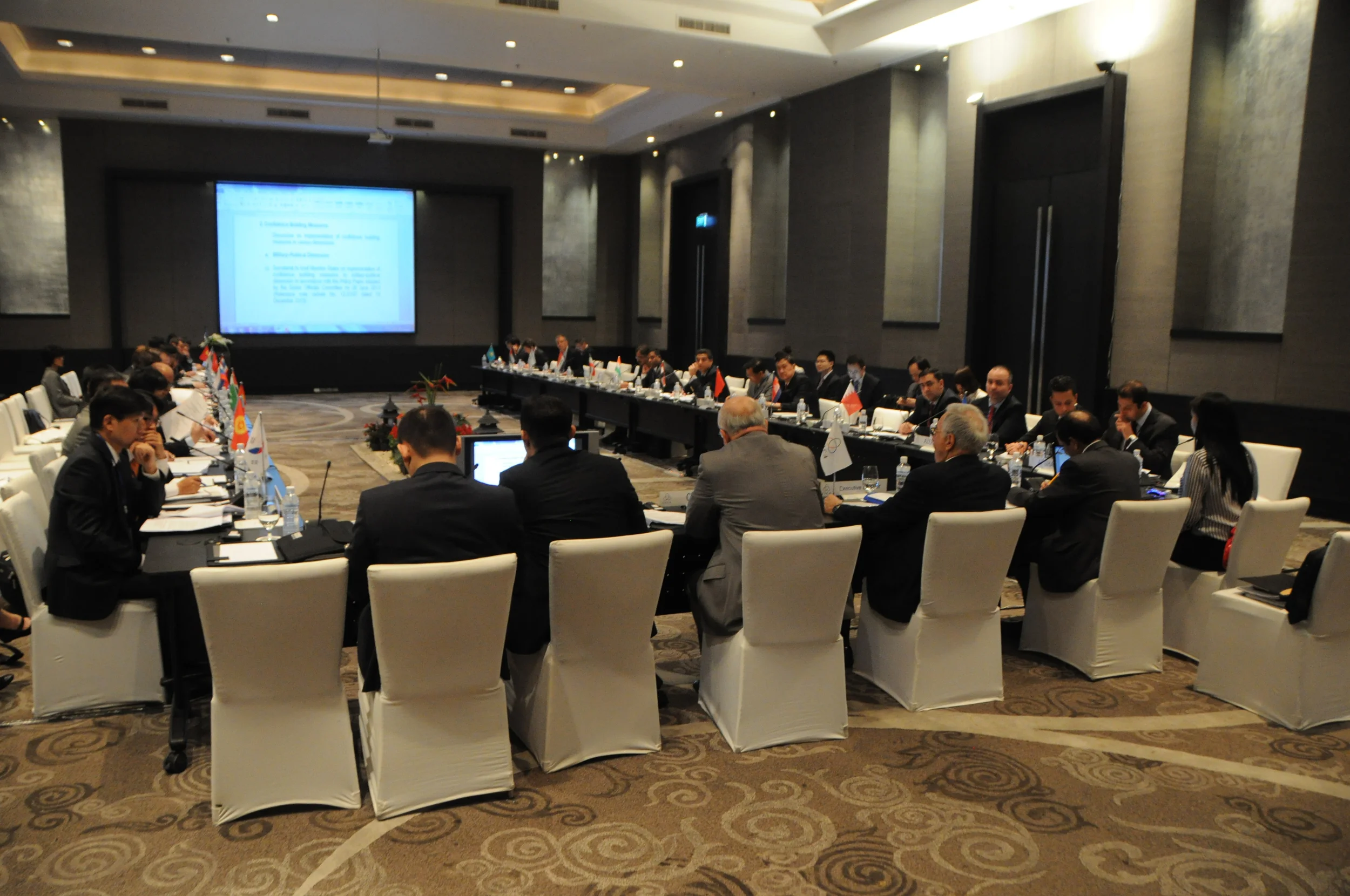
The Conference on Interaction and Confidence Building Measures in Asia (CICA)—an international forum—engages in several areas of cooperation, including “New Challenges and Threats (Terrorism, Money Laundering, Drug Trafficking, Human Trafficking).” Photo credit: Sompop S, “DSC_0094,” CC BY 2.0.
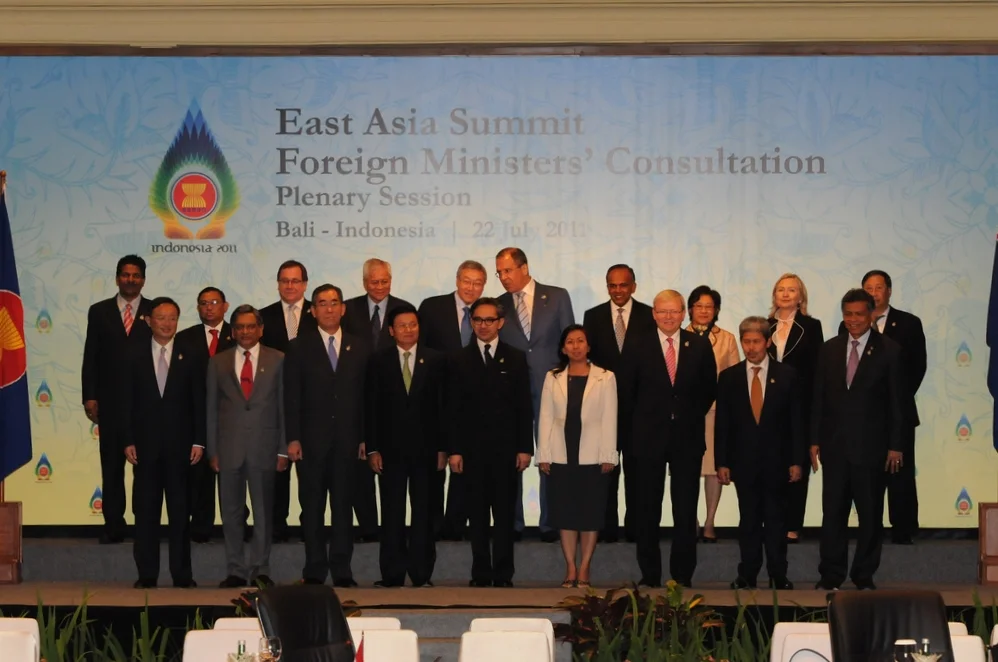
The East Asia Summit (EAS)—a forum held annually for dialogue and cooperation on key challenges facing the East Asian region—strives to further enhance cooperation to counter terrorism and its financing. Photo credit: U.S. Embassy, Jakarta, “Secretary Clinton at the East Asia Summit Foreign Ministers’ Consultation,” CC BY-ND 2.0.
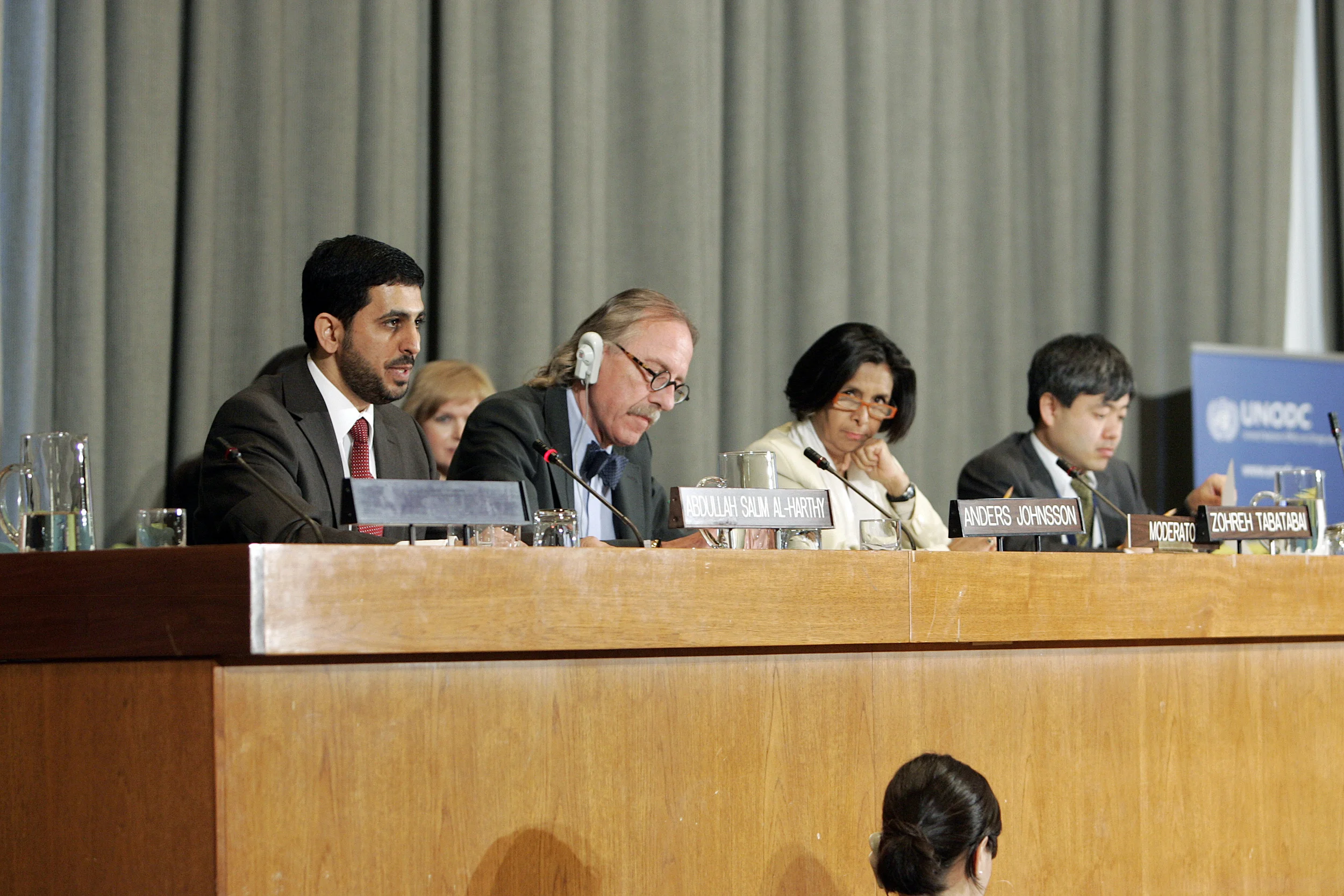
As a group of the Arabian gulf states, the GCC is focused on promoting and enforcing security within the region, including by coordinating efforts to combat terrorism. Photo credit: UN Photo/Jenny Rockett.
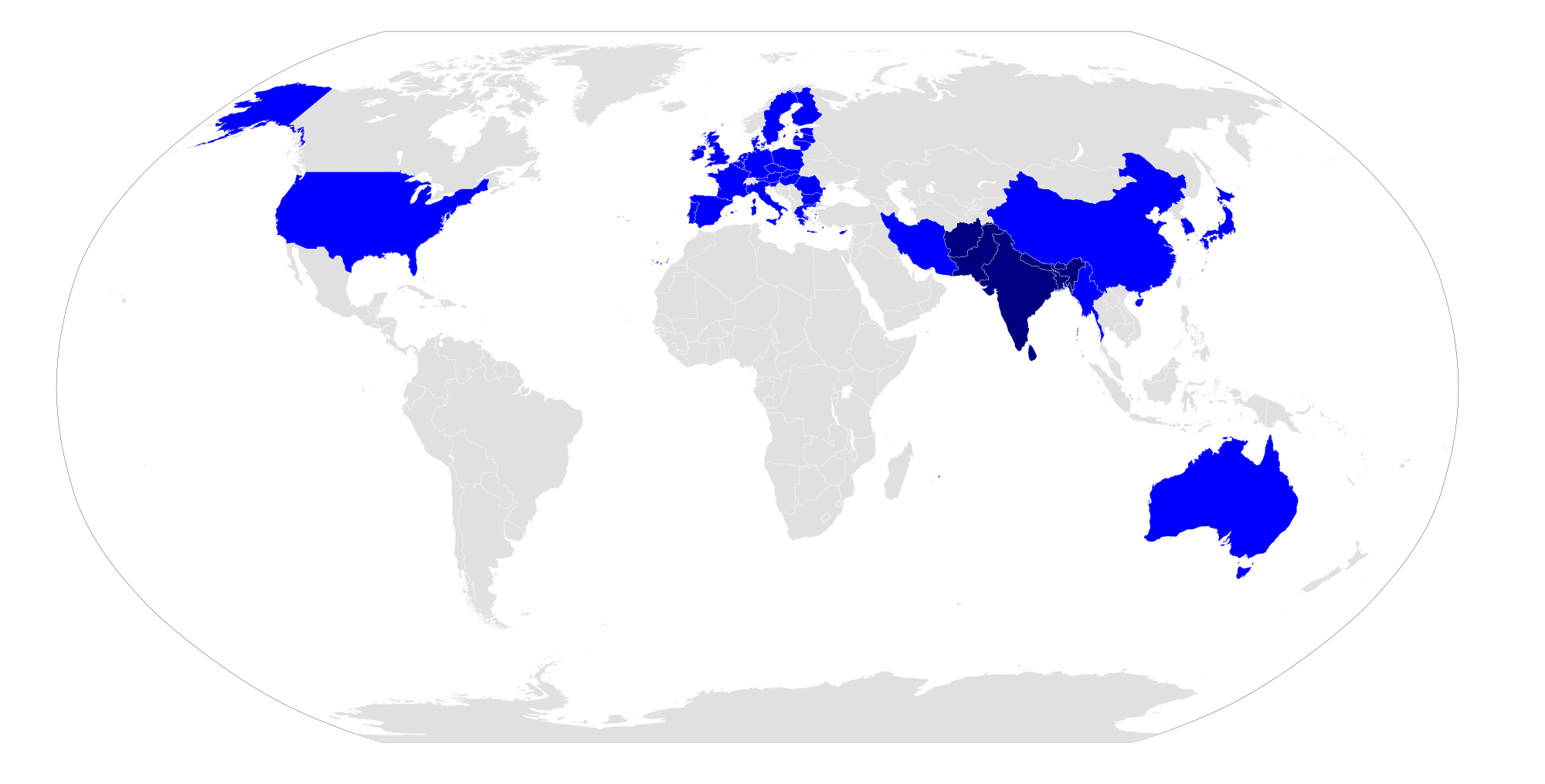
The South Asian Association for Regional Cooperation is an association of eight states that seeks generally to promote the welfare and self-reliance of the peoples of South Asia; in the counterterrorism area, the SAARC has developed two international legal instruments (a regional convention and its additional protocol). Photo credit: §hepTalk 19:53, 26 August 2010 (UTC) [Public domain], via Wikimedia Commons.

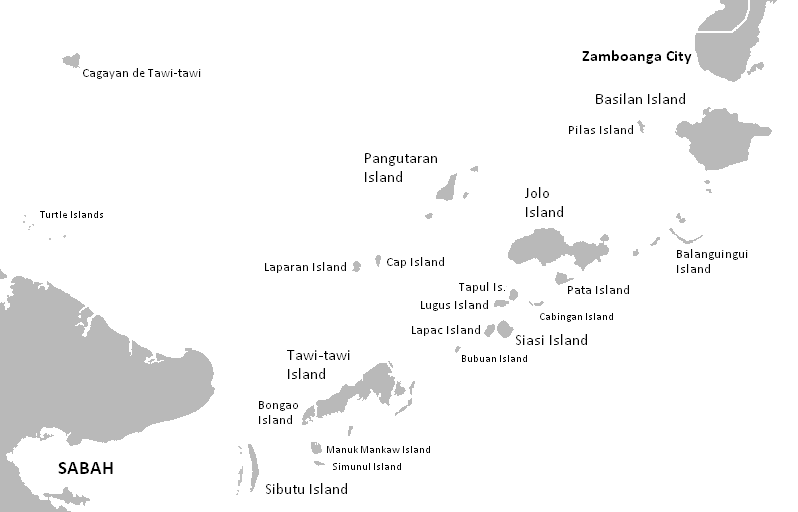
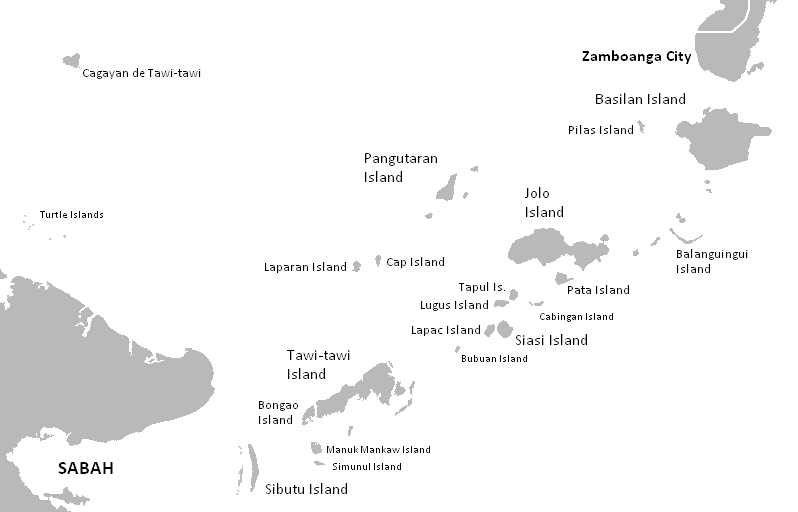
Since 2008, the U.S.-sponsored Trilateral Interagency Maritime Law Enforcement Working Group has aimed to better coordinate among Malaysia, Indonesia, the Philippines, and the U.S. on matters of interdiction and maritime security in the Sulu/Sulawesi Seas Littoral, which the U.S. has characterized as a “terrorist safe haven.” Photo credit: Kleomarlo (The Coffee's Blank map of the Philippines) [Public domain], via Wikimedia Commons.
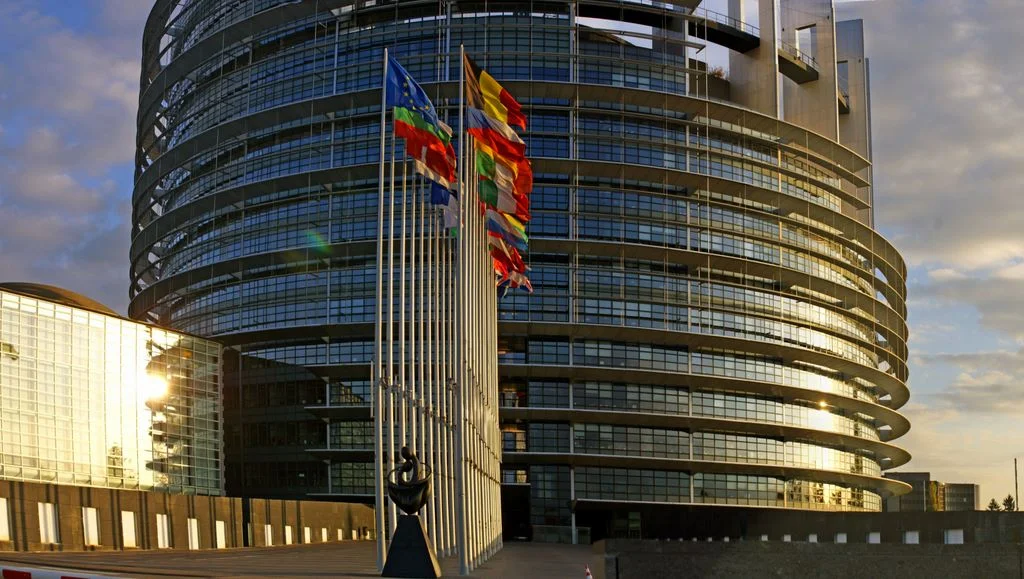
In relation to counterterrorism, MONEYVAL—the Committee of Experts on the Evaluation of Anti-Money Laundering Measures and the Financing of Terrorism—sets out relevant international standards (particularly those included in the FATF recommendations), evaluates compliance of member states, and conducts research. Photo credit: Dominique edte, “Strasbourg / The Council of Europe,” CC BY-NC 2.0.
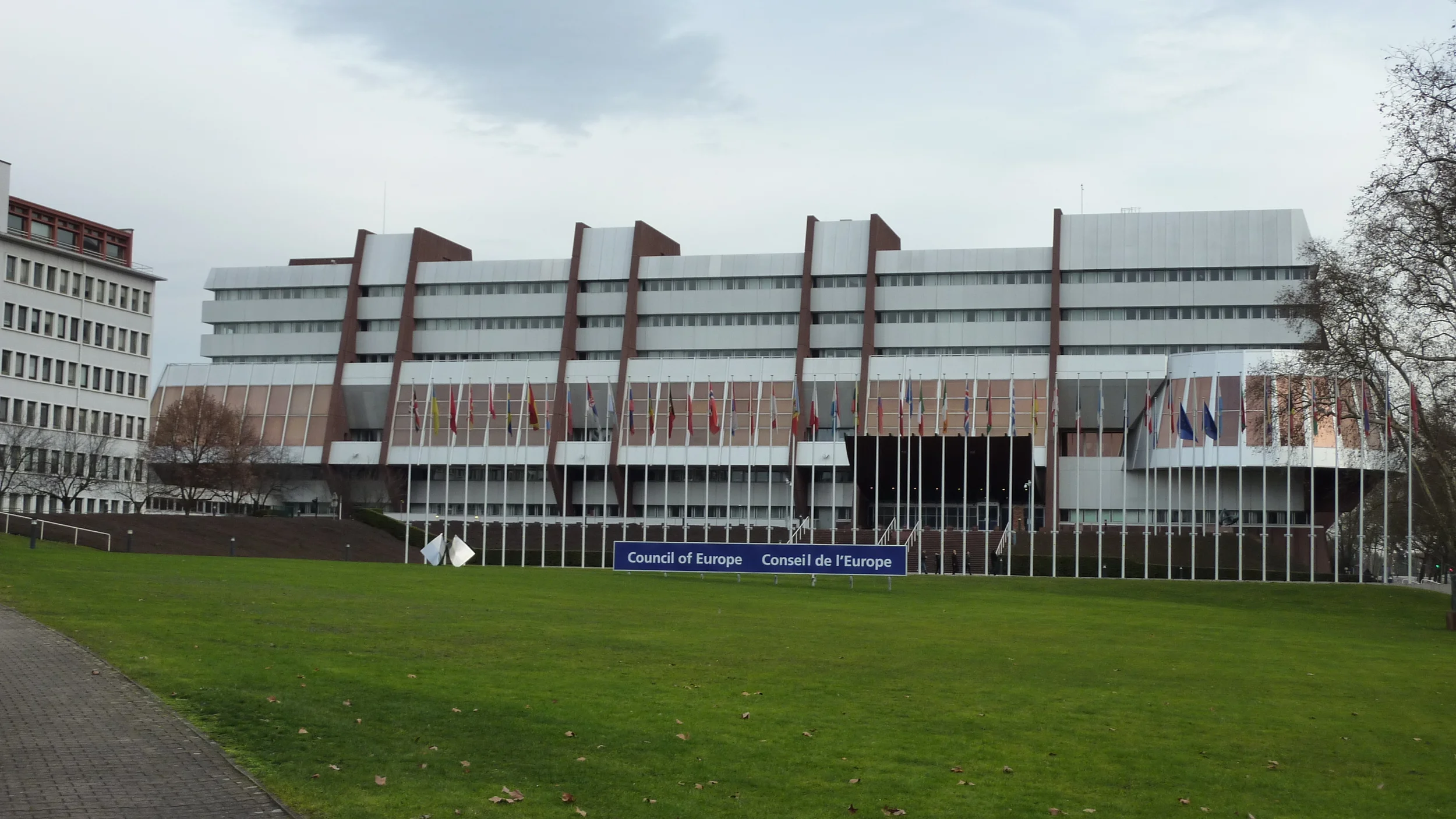
CODEXTER serves as the arm of the Council of Europe responsible for implementing and coordinating counterterrorism actions. Photo credit: Mathieu Nivelles, “Conseil de l'Europe à Strasbourg en décembre,” CC BY 2.0.
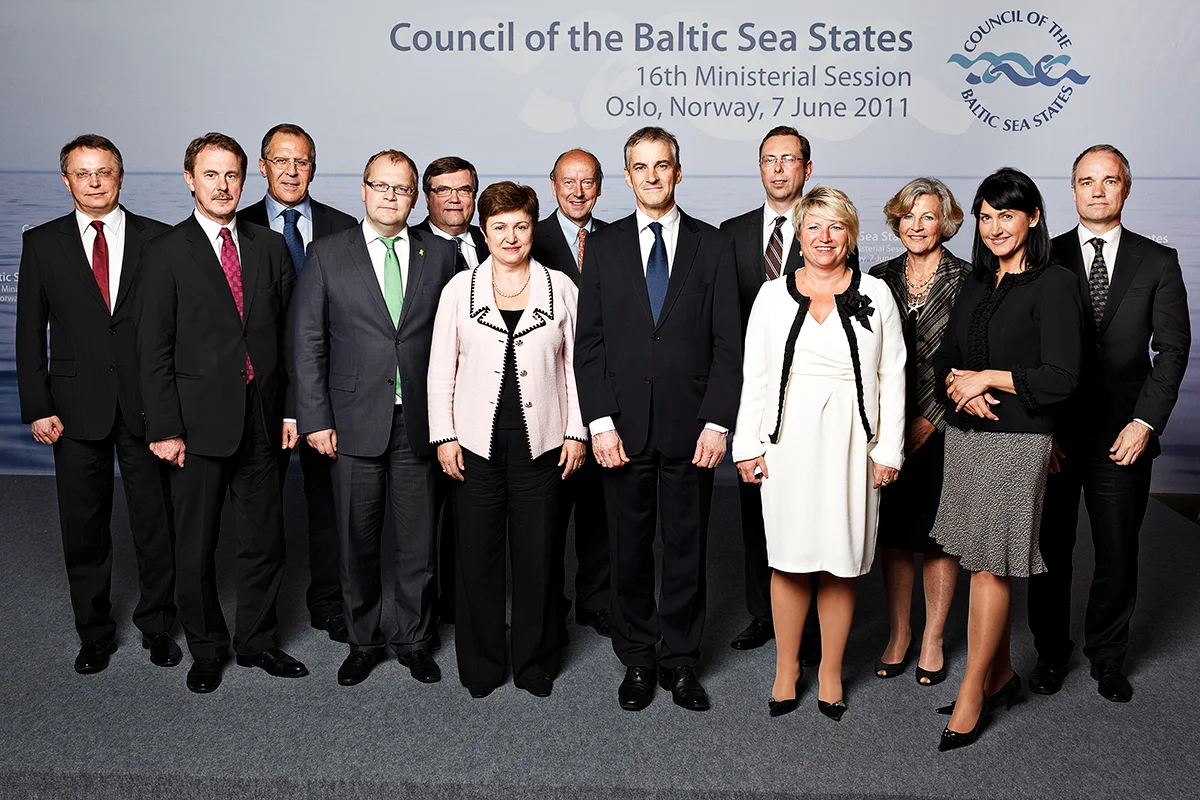
The Council of Baltic Sea States (CBSS)—an intergovernmental regional forum—exchanges information between member states about the general challenges of border services in the region and security controls at sea ports and marinas, counterterrorism measures, and existing standards of security controls. Photo credit: Latvian Foreign Ministry, “Ārlietu ministrs piedalās BVJP ārlietu ministru sanāksmē Oslo,” CC BY-NC-ND 2.0.
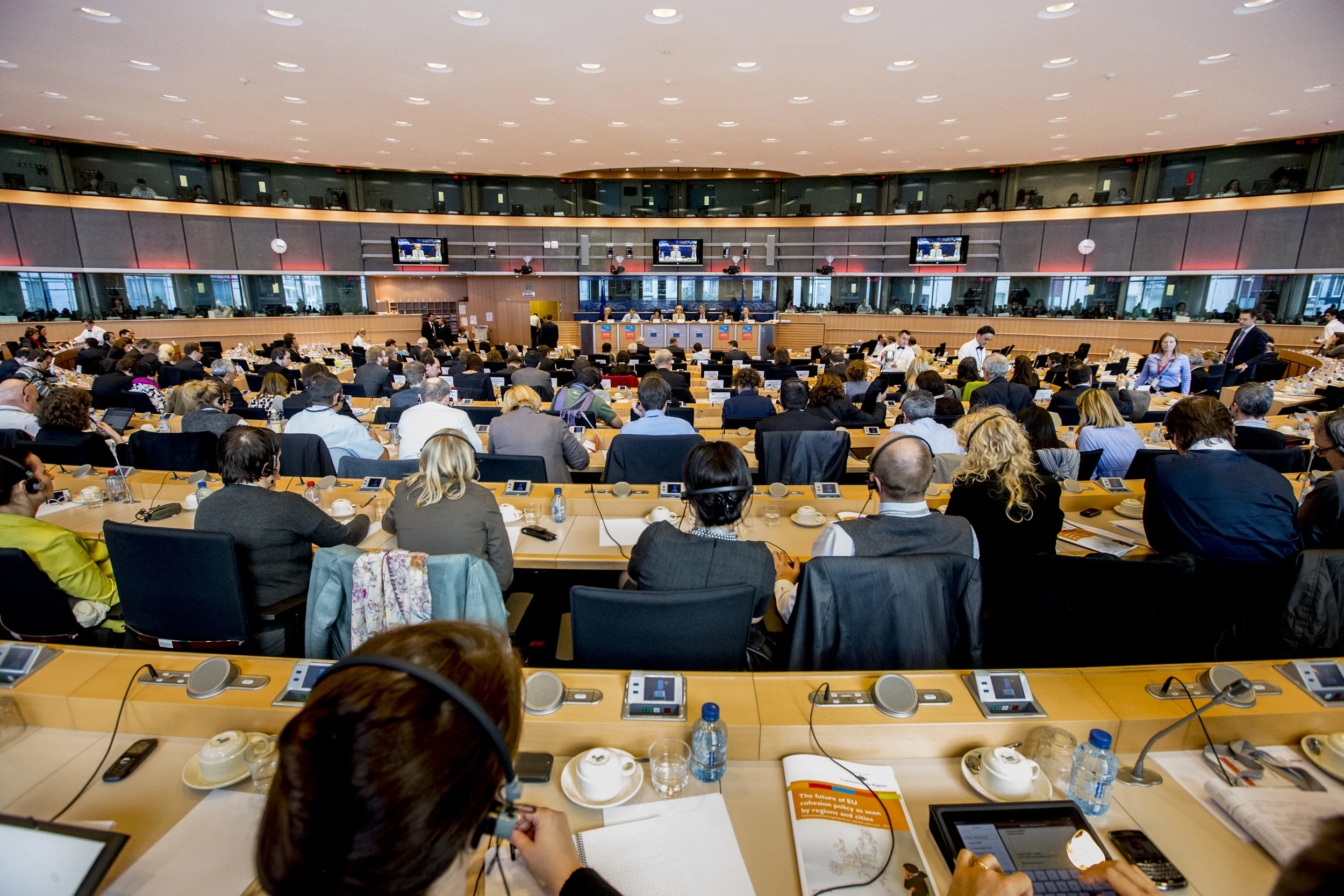
As the main forum for information exchange and European Union coordination on the international aspects of the fight against terrorism, the Council Working Group on Terrorism (International Aspects) [COTER] aims to provide analysis of national counterterrorism efforts, as well as to coordinate international assistance with and development and improvement of these efforts. Photo credit: Comité des Régions / Committee of the Regions, “COTER / REGI workshop on the Cohesion Policy after 2013,” CC BY-NC-SA 2.0.

The Counter Terrorist Group (CTG) is a derivative of the Club de Berne, an intelligence-sharing forum between various European states, which specifically focuses on counterterrorism intelligence. Photo credit: Martin Abegglen, “Bern,” CC BY-SA 2.0.
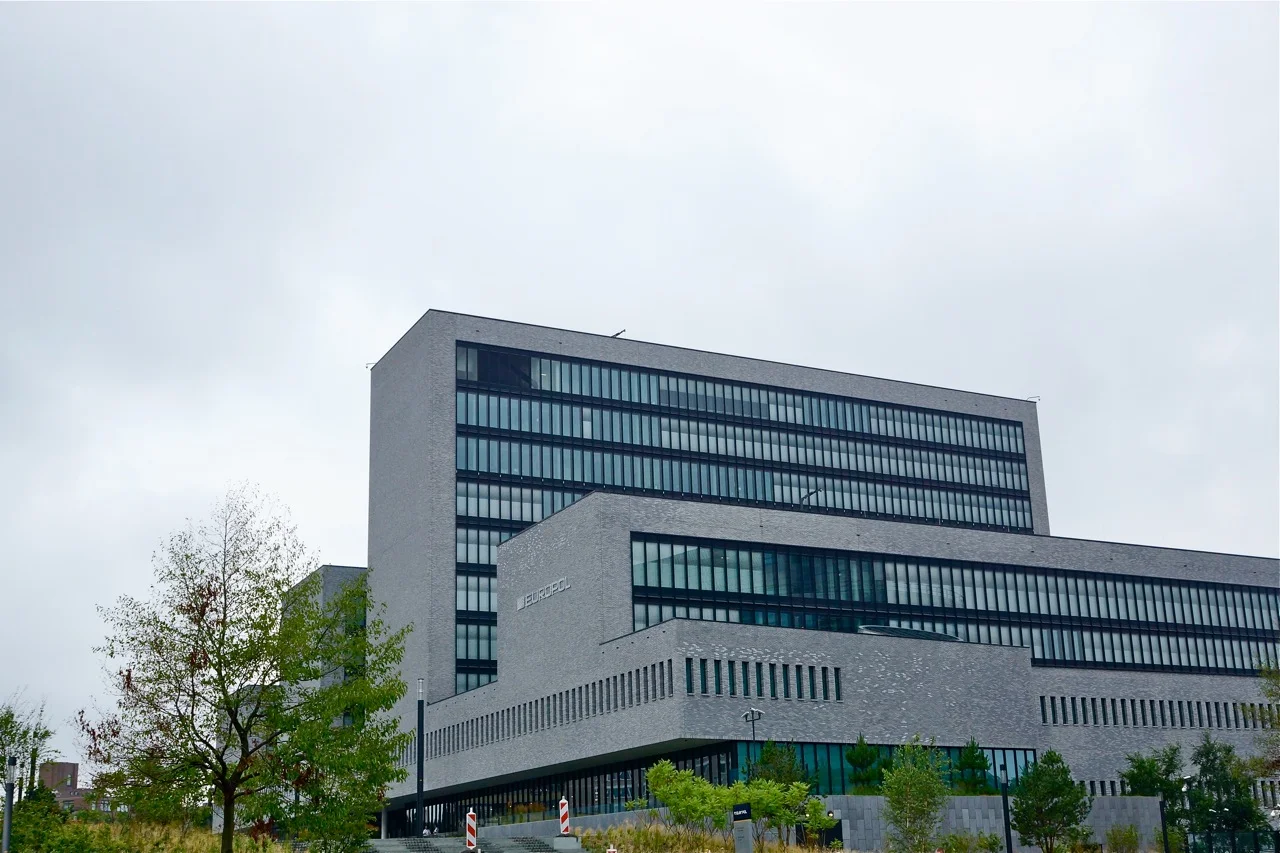
Europol is the law enforcement agency of the European Union and assists EU Member States’ efforts to combat serious international crime and terrorism. Photo credit: Roel Wijnants, “Europol,” CC BY-NC 2.0.

One of the fields in which the Salzburg Forum—a regional organization for multilateral discussion and cooperation on internal security challenges—operates is terrorism prevention. Photo Credit: Georg Schroll, “Innere Stadt,” CC BY-NC-SA 2.0.
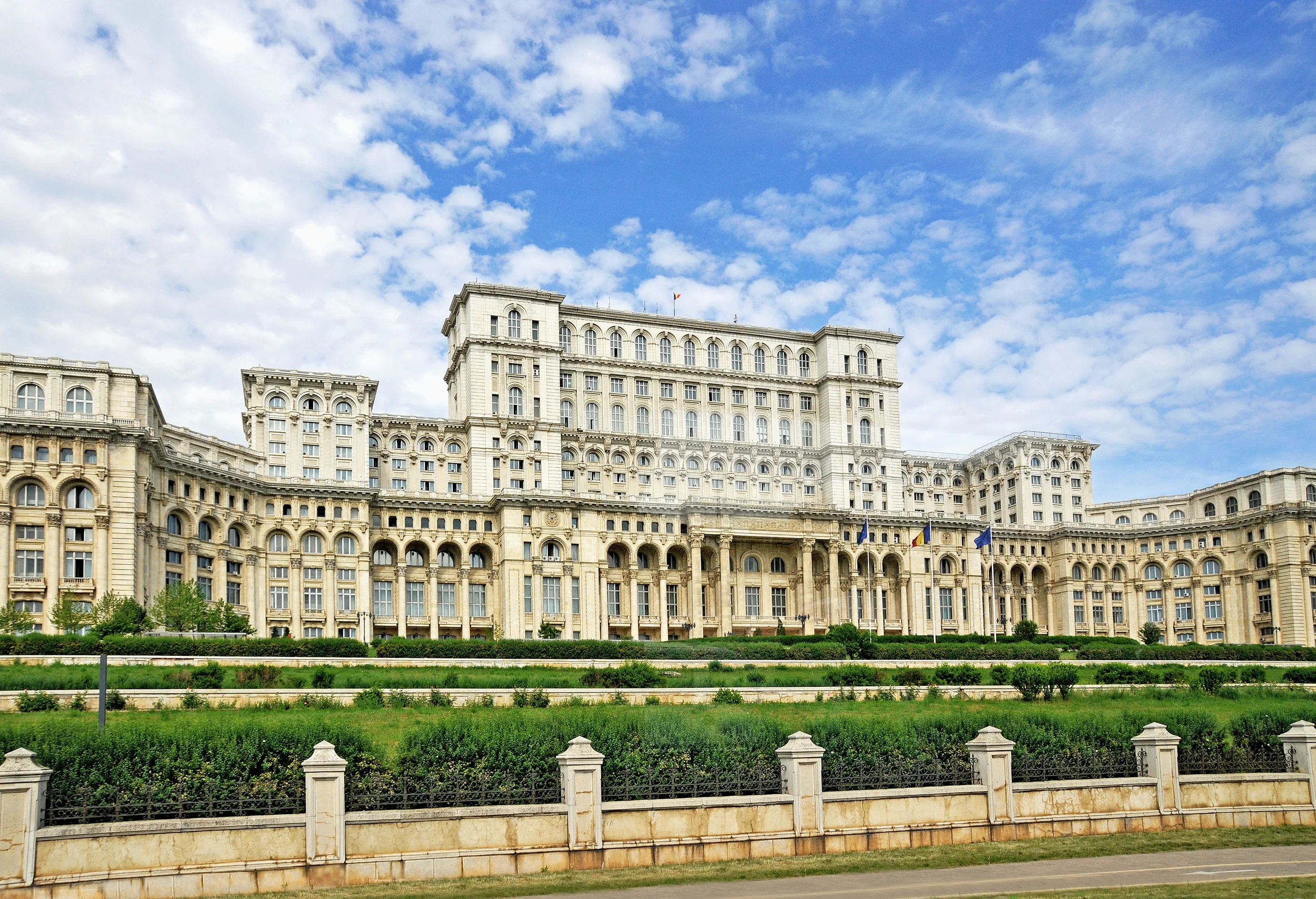
The Anti-Terrorism Task Force of the Southeast European Law Enforcement Center conducts workshops and hosts meetings, often in coordination with UN counterterrorism bodies, to enhance coordination among member states in combating terrorism. Photo credit: Dennis Jarvis, “Romania-1170 - Palace of the Parliament,” CC BY-SA 2.0.